Two suits can look identical on a hanger and behave completely differently on the track. The difference is rarely the graphic. It is the pattern, the knit and the seams.
The pattern is the product
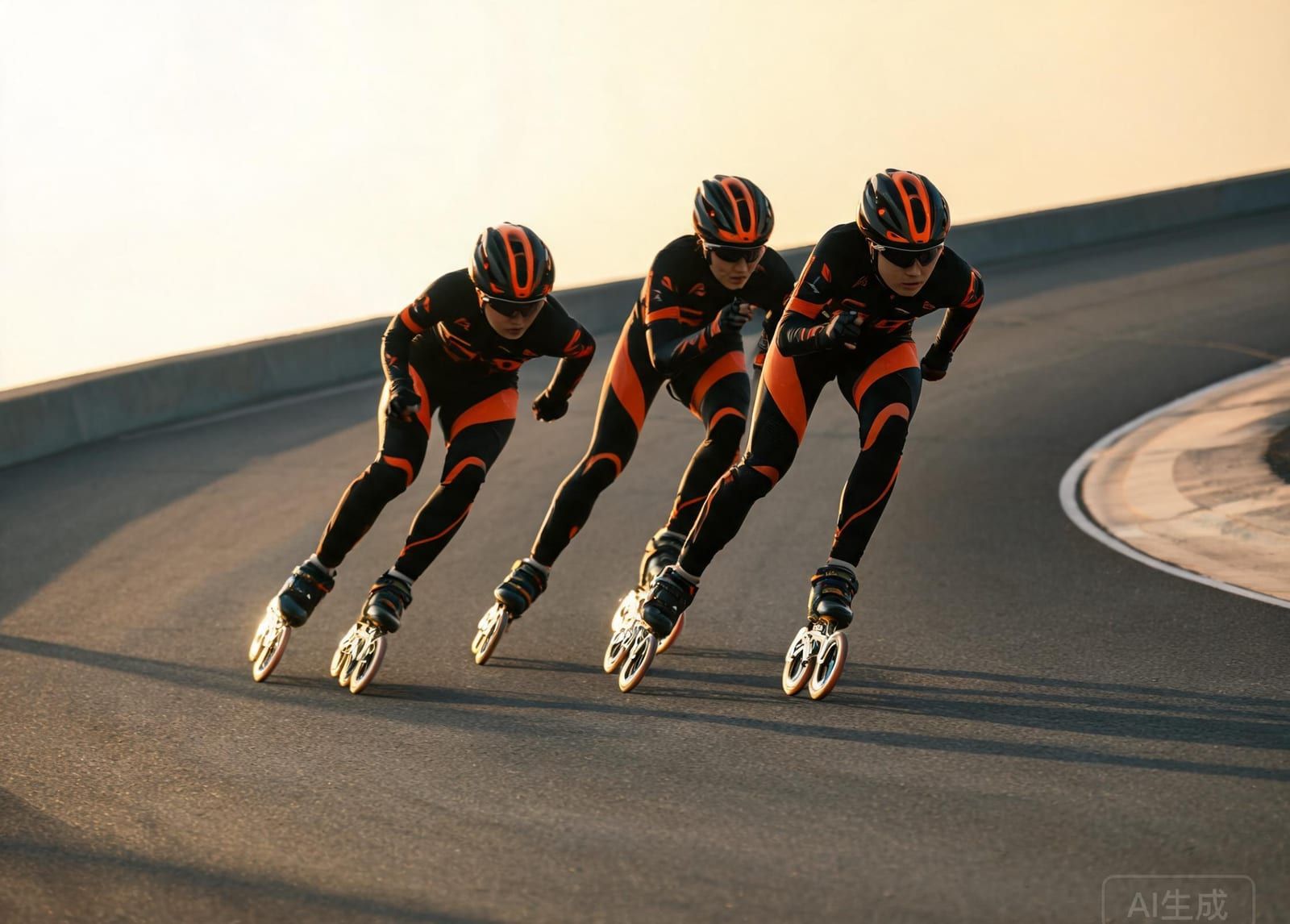
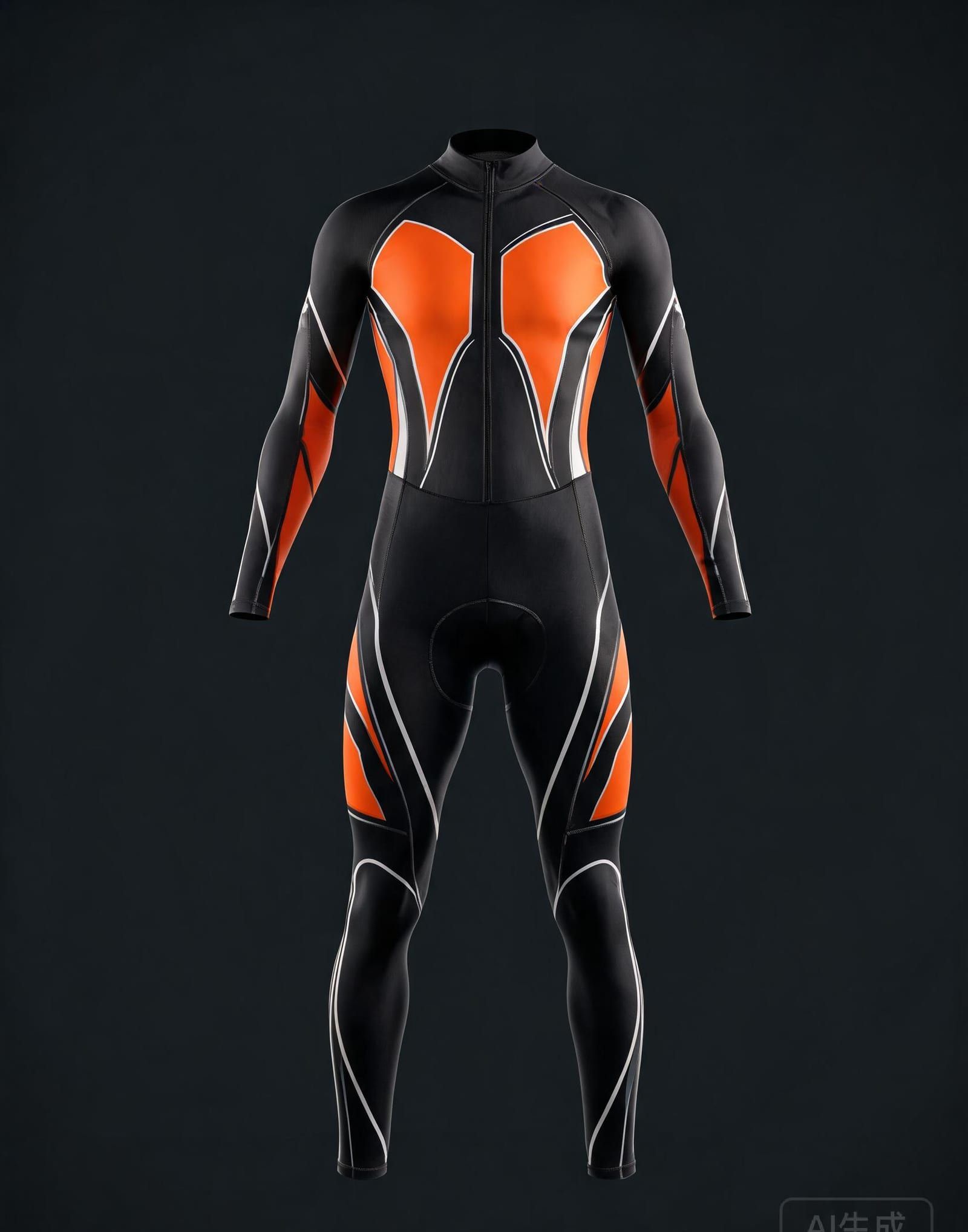
A racing suit pattern starts from the skating position. The torso is lengthened, the sleeve is cut for a bent arm, and the leg is shaped so the knee can travel through a full stride without the fabric bunching behind it.
When a general sportswear block is used instead, the result is predictable: the shoulder pulls, the waistband drops, and the skater spends the race adjusting the suit instead of skating.
Compression without restriction
Compression should hold the muscle without limiting range of movement. A common failure is a knit that is compressive in one direction only, which feels tight when standing and then restricts the hip in the crossover position.
Ask how the knit stretches: four-way stretch is the baseline for a race suit. Two-way stretch is acceptable for some panels but not for the leg as a whole.
Seams that stay flat
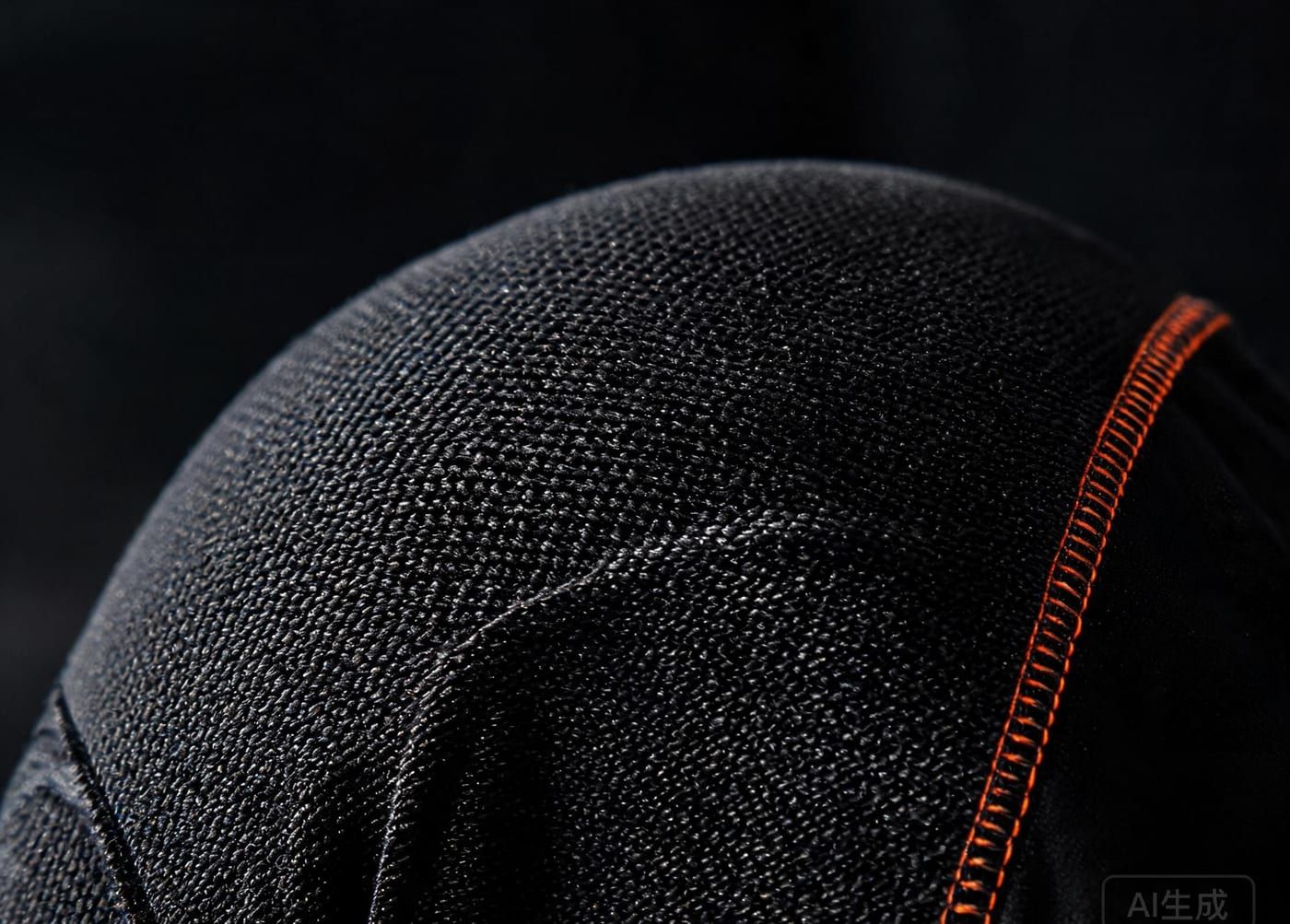
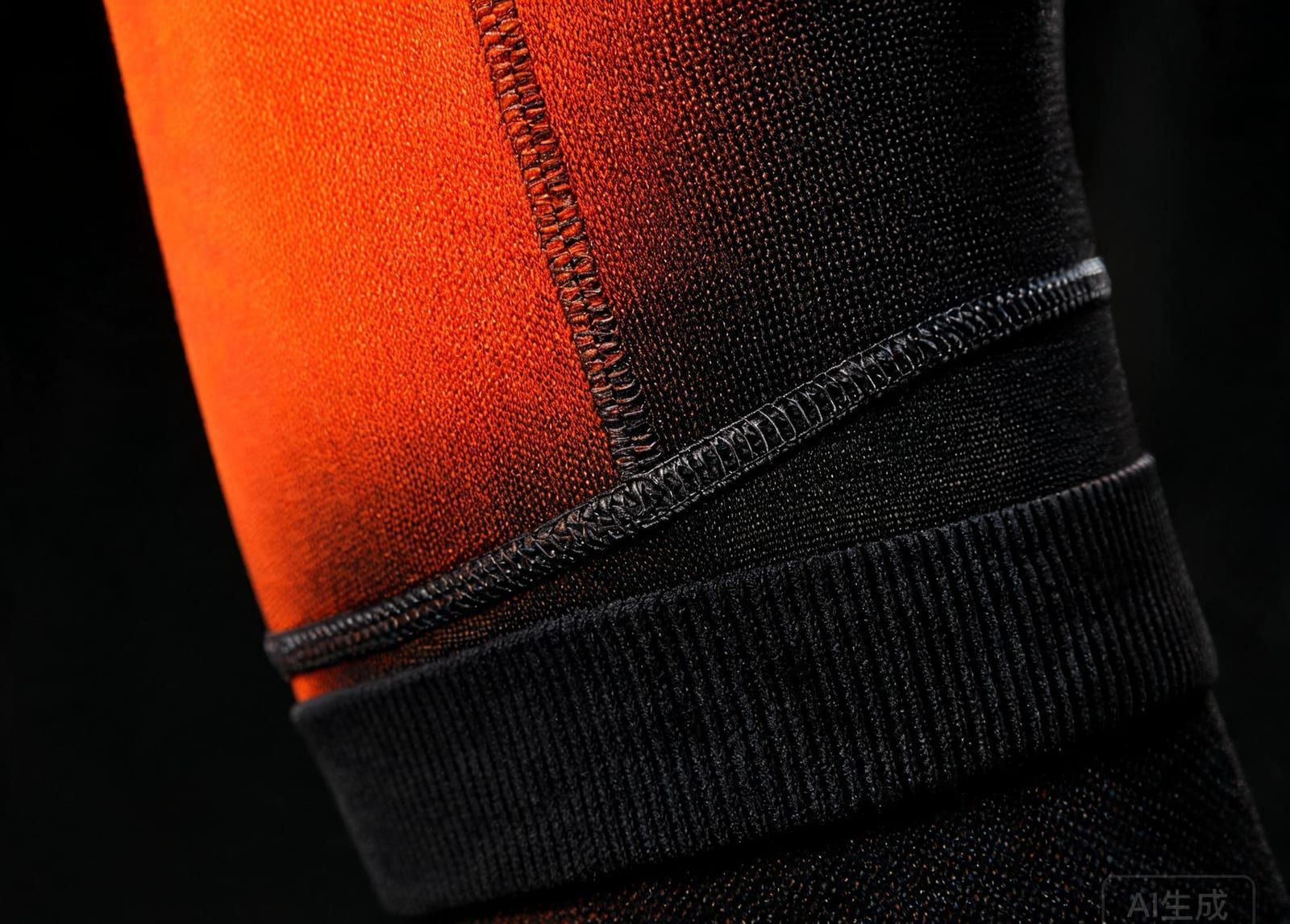
Flatlock seams on body panels reduce bulk against the skin. Seams should be even, with no puckering, and positioned away from areas that rub. On a well-made suit, the inside looks almost as tidy as the outside.
Print that is part of the fabric
Sublimation printing puts colour into the fibre. There is no film to crack, no added weight and no break in colour at the seams. Applied graphics on a race suit are a sign that the garment was not designed as a race garment.
Fit at the leg opening
The hem has to stay put. A narrow elastic band will cut in; a wide gripper band distributes the pressure. Check that the gripper does not twist when you pull the suit on.
Details that reveal quality
- Inside seam finish: flat, even, minimal bulk.
- Colour continuity across panel joins.
- Zip quality and zip guard if a zip is used.
- Logo sharpness at small sizes.
- Consistent sizing between two suits of the same nominal size.
What you do not need
You do not need a heavier suit for durability on race day, and you do not need extra padding for inline racing unless you are skating in a contact-heavy pack. Weight and bulk cost you more than they protect you.
Products mentioned in this guide
- Inline Racing SuitInline Speed Skating
- Inline Competition SuitInline Speed Skating