Close-up of performance fabric used in skating suits
Materials

Fabrics & Technology

Materials, construction and printing used in custom skating suits

A skating suit is a small piece of engineering: the knit has to stretch in the right directions, the graphics have to survive contact and washing, and the seams have to stay flat against the skin at speed.

This page explains what each element does and why it is chosen. We keep the descriptions qualitative: where a numeric specification matters, it is confirmed for your order against the material actually supplied.
Materials

FABRICS WE USE

Each material is chosen for a specific job in a skating suit.

Close-up of a four-way stretch performance knit used for skating suits

Four-Way Stretch Race Knit

The base material for most inline and ice racing suits

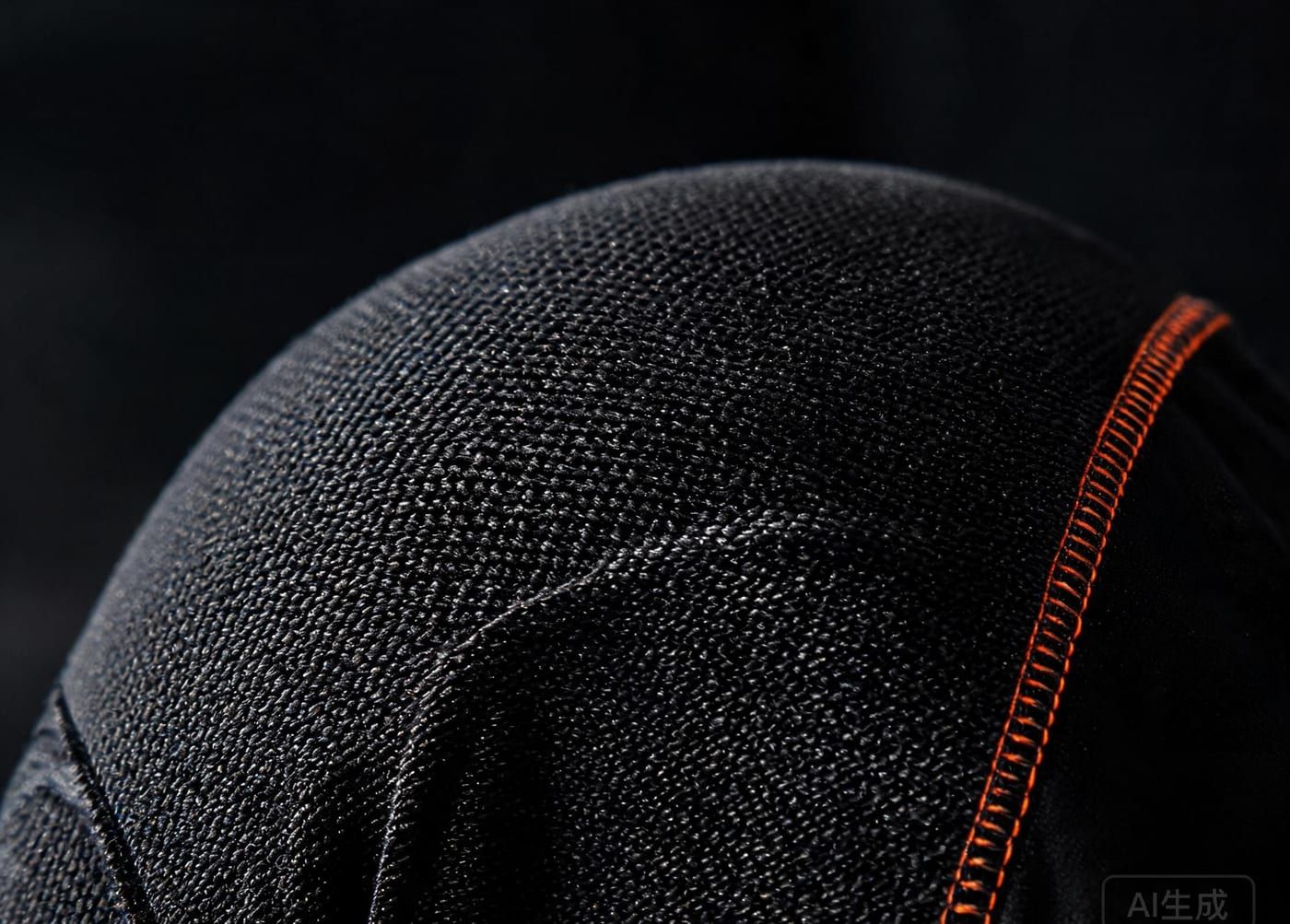
A fine-gauge knit that stretches in both directions, so the suit follows the body through a full stride instead of pulling against it. The surface is smooth enough for sublimation printing and dense enough to stay opaque when the fabric is stretched over the knee or shoulder.

  • Four-way stretch
  • Smooth print surface
  • Opaque when stretched
  • Lightweight hand feel
Compression knit panel detail on a speed skating suit

Compression Panel Knit

Higher-density knit for support zones

A denser knit used in panels where the suit needs to hold the muscle rather than simply cover it. Commonly placed on the thigh, the lower back and the calf. The panel is shaped into the pattern so that the transition between materials does not create a hard line across the leg.

  • Higher density
  • Support zones
  • Panel construction
  • Tight recovery
Cut-resistant protective material used in short track speed skating suits

Cut-Resistant Composite

Protective material for short track exposure zones

A layered protective material used at the lower leg, thigh and hip on short track suits. It is denser and less elastic than a race knit, so it is placed in shaped panels outside the main stretch lines of the leg. Protection statements are only made for material supplied with a test report for that order.

  • Protective panels
  • Shaped placement
  • Short track specific
  • Documentation per order
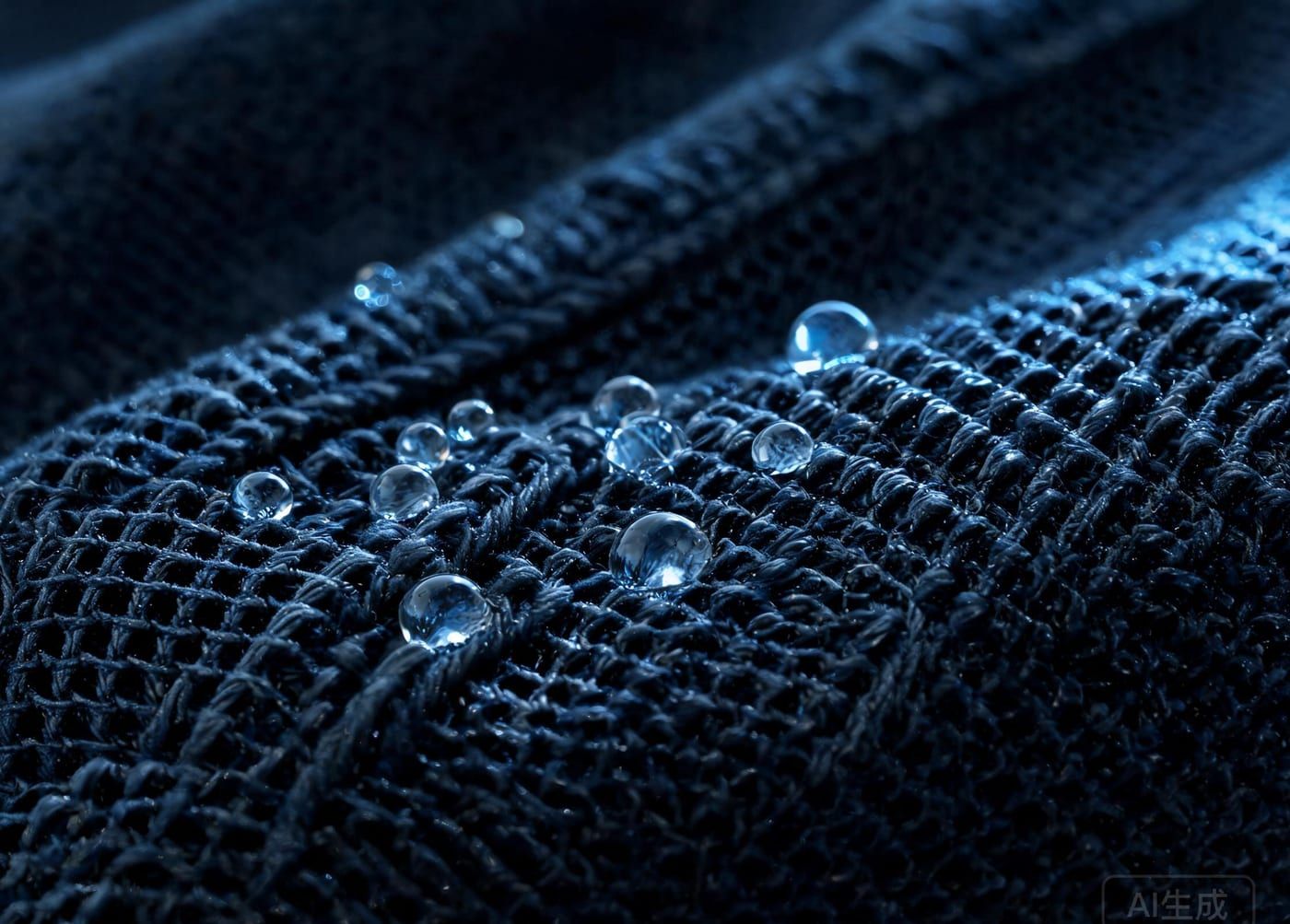
Moisture management knit structure under magnification

Moisture-Management Inner Surface

Keeps the inside of the suit from staying wet

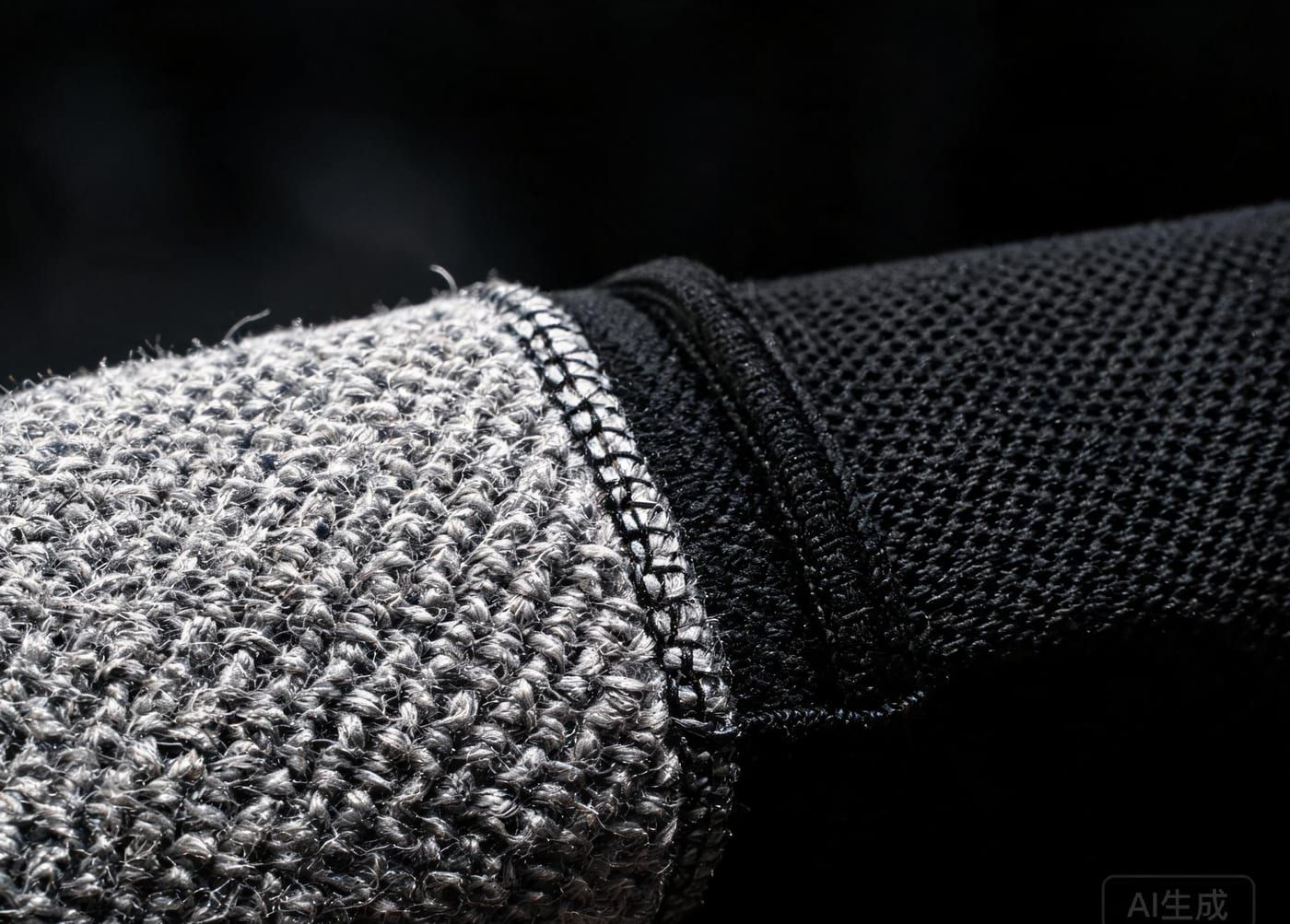
A knit structure that moves moisture away from the skin and spreads it across the surface for faster evaporation. This matters most on long training sessions and in the cold, humid air of an ice rink, where a wet inner layer becomes uncomfortable quickly.

  • Moisture transport
  • Fast drying
  • Skin-contact comfort
  • Training and race use
Ventilated mesh panel detail on a performance skating suit

Ventilated Mesh Zones

Targeted airflow without losing the race silhouette

Small mesh panels placed under the arm, down the spine or behind the knee to release heat where it builds up. On race suits the mesh is kept away from the primary airflow surfaces; on training suits it can be used more freely.

  • Targeted ventilation
  • Low-profile placement
  • Heat release
  • Race and training variants
Sublimation printing process applying colour to performance fabric

Sublimation-Ready Polyester

The reason the graphics never peel

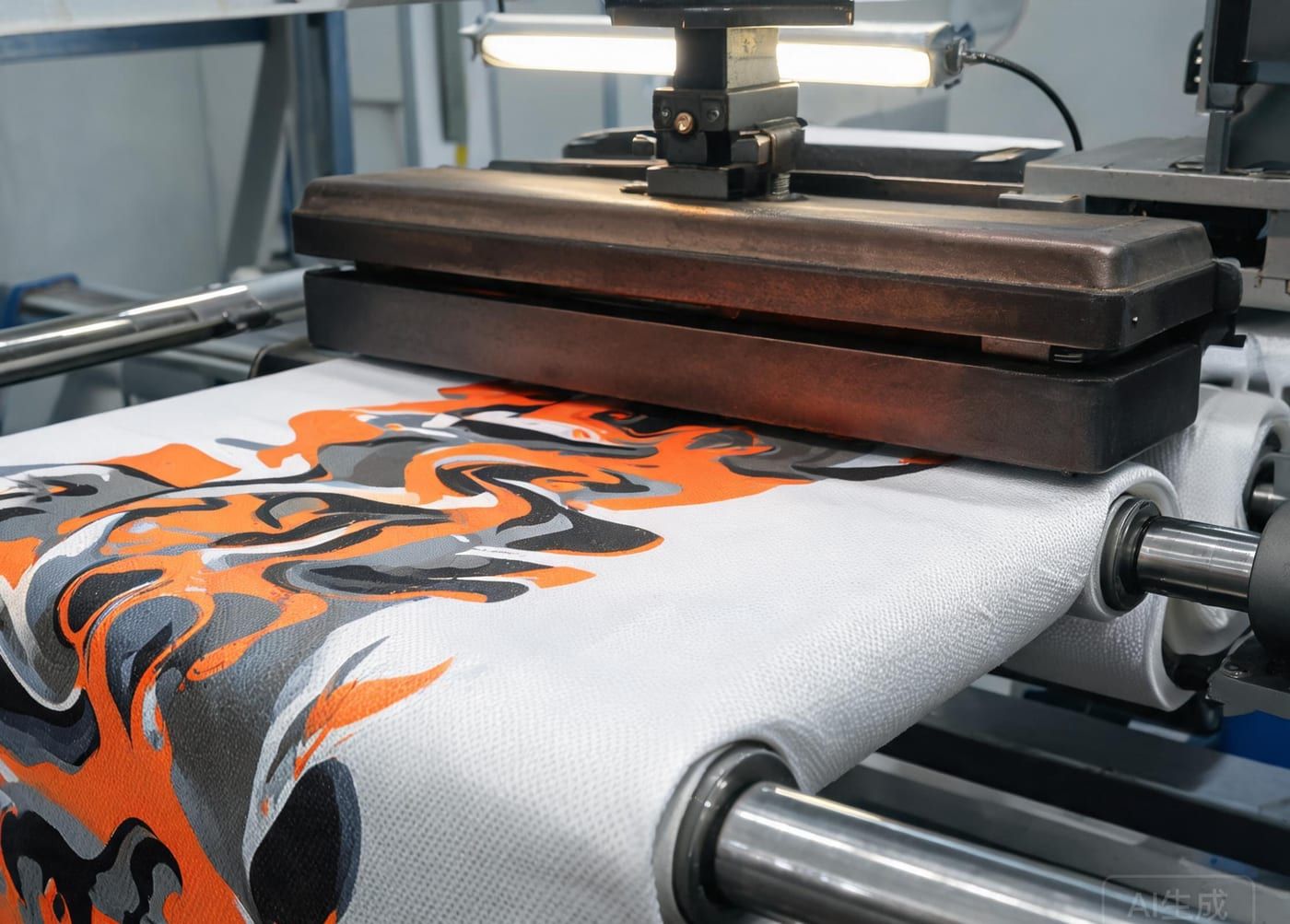
Disperse-dye sublimation turns the print into part of the fibre instead of sitting on top of it. The fabric is printed before cutting, so colour runs across seams, zips and panel edges without a visible break, and the garment gains no extra weight or surface texture.

  • Full-colour printing
  • No applied film
  • Colour across seams
  • No added weight
Technology

WHAT THE CONSTRUCTION DELIVERS

01

Stretch Performance

Patterns are drafted for the skating position, and the knit is selected so the suit follows the stride rather than resisting it.

02

Breathability

Ventilation is placed where heat builds up: under the arm, down the spine and behind the knee, with different layouts for race and training suits.

03

Lightweight Materials

Race garments avoid heavy applied graphics and unnecessary layers, which keeps the suit light on the body during repeated efforts.

04

Moisture Management

Inner surfaces are chosen to move moisture away from the skin, which matters most in cold rink air and long training sessions.

05

Sublimation Printing

Colour is printed into the fibre before cutting, so graphics cross seams cleanly and do not crack, peel or add weight.

06

Precision Sewing

Flatlock seams on the body panels reduce bulk against the skin, and all stretch seams are sewn with the correct thread and tension for the knit.

Production

HOW THE SUIT IS MADE

Production illustrations, not photographs of customer orders.

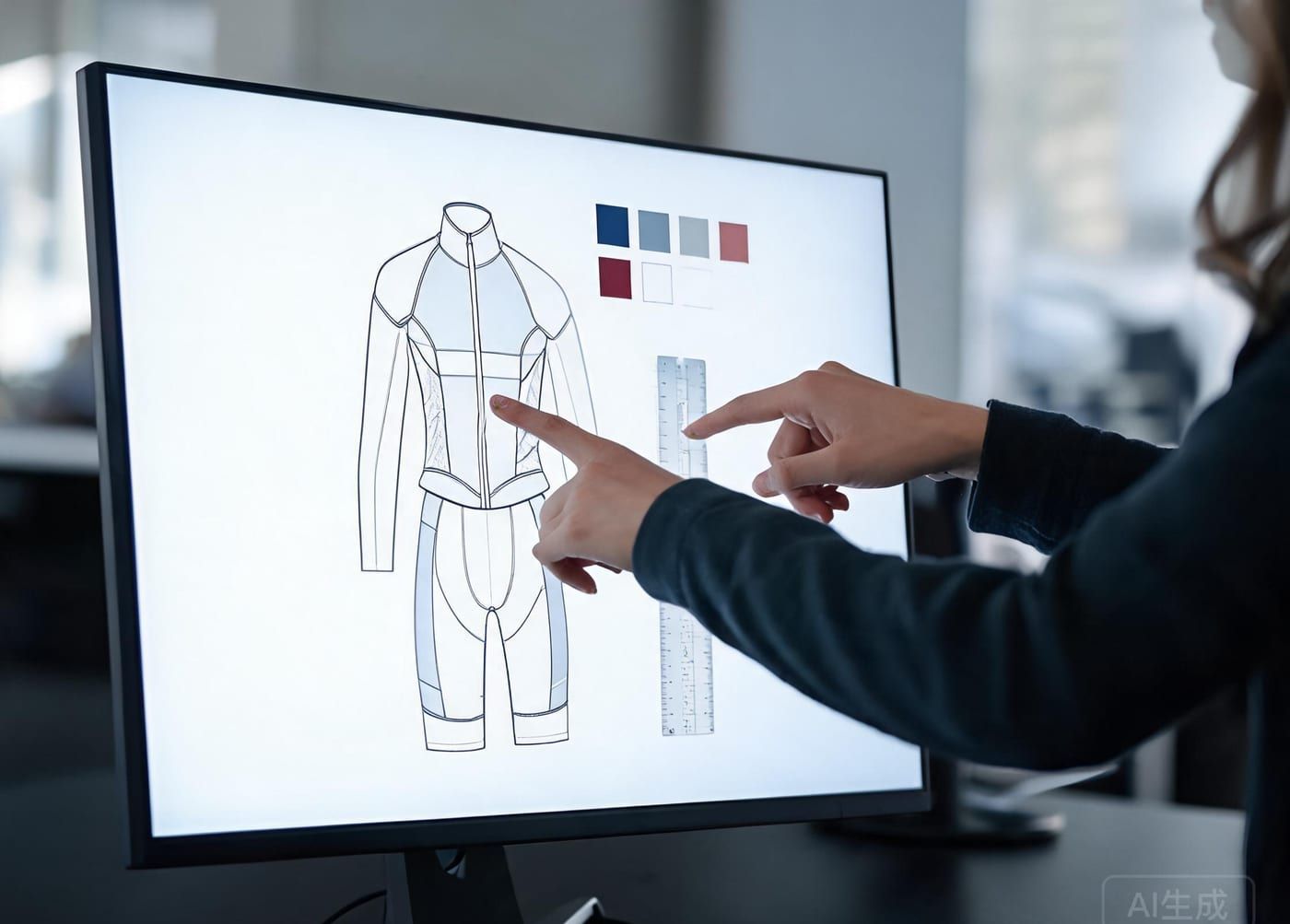
Design and artwork preparation for custom skating suitsProduction illustration
Step 01

Design & Artwork

Your colours, logos and references are turned into a print-ready layout for front, back and side approval.

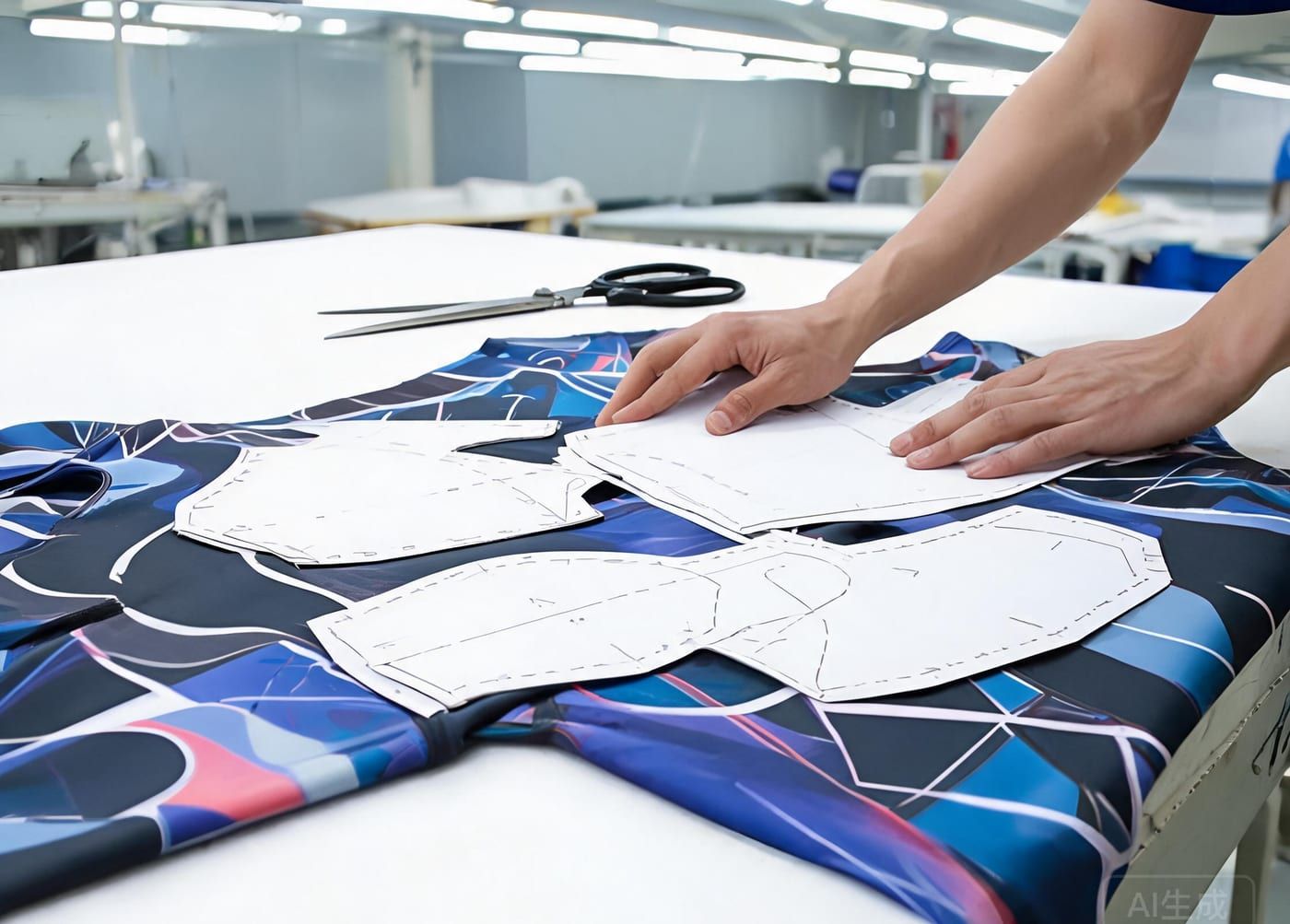
Pattern cutting table for performance skating suitsProduction illustration
Step 02

Pattern & Sampling

The pattern is graded or drafted to individual measurements, and a sample can be produced before bulk production.

Dye sublimation printing of performance fabric panelsProduction illustration
Step 03

Printing

Fabric is printed with dye sublimation before cutting, so the colour is part of the material.

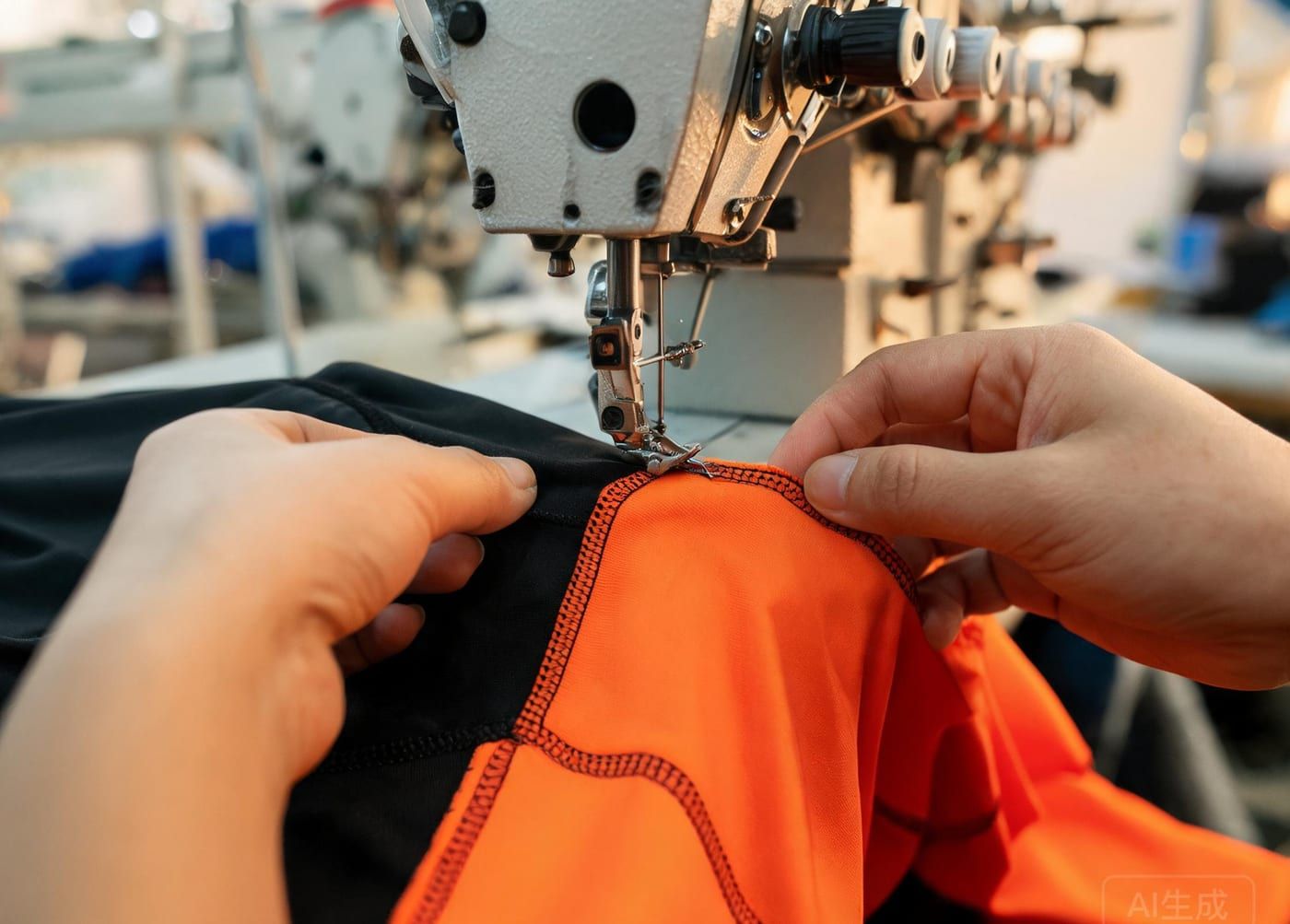
Sewing workshop producing custom skating suitsProduction illustration
Step 04

Cutting & Sewing

Printed panels are cut and assembled with flatlock and stretch seams suited to the knit.

Final quality inspection of finished skating suitsProduction illustration
Step 05

Final Inspection

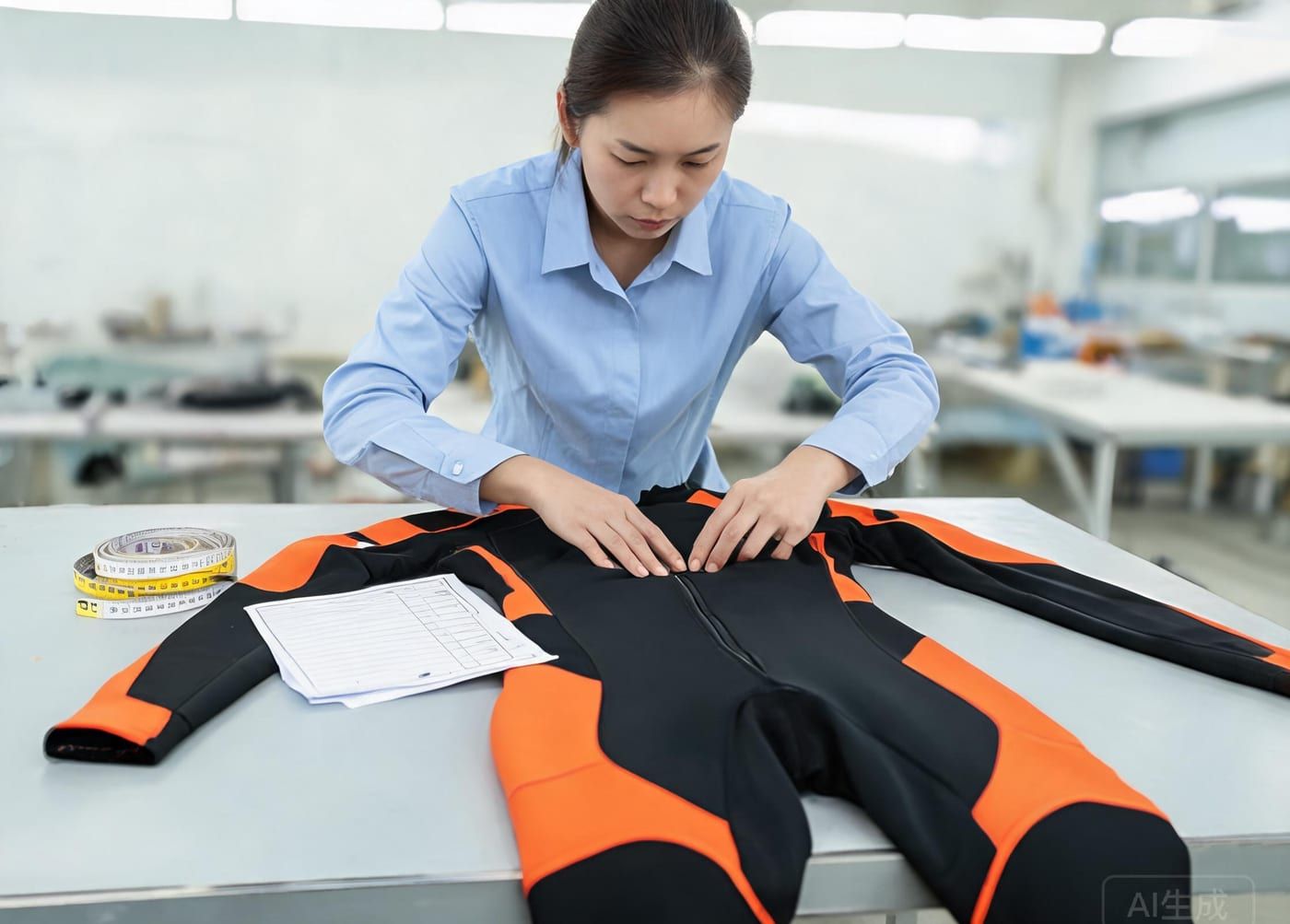
Each garment is checked for stitching, measurement accuracy, print quality and logo placement before packing.

A note on specifications

We publish qualitative descriptions rather than numeric performance claims. If your club or federation requires a specific standard, fabric composition, weight or a test report, ask for it in the inquiry and we will confirm what is available for the material offered.

Custom orders

READY TO CREATE YOUR CUSTOM SKATING SUITS?

Send your discipline, quantity, sizes and reference images. We will reply with design options, fabrics, production schedule and pricing.