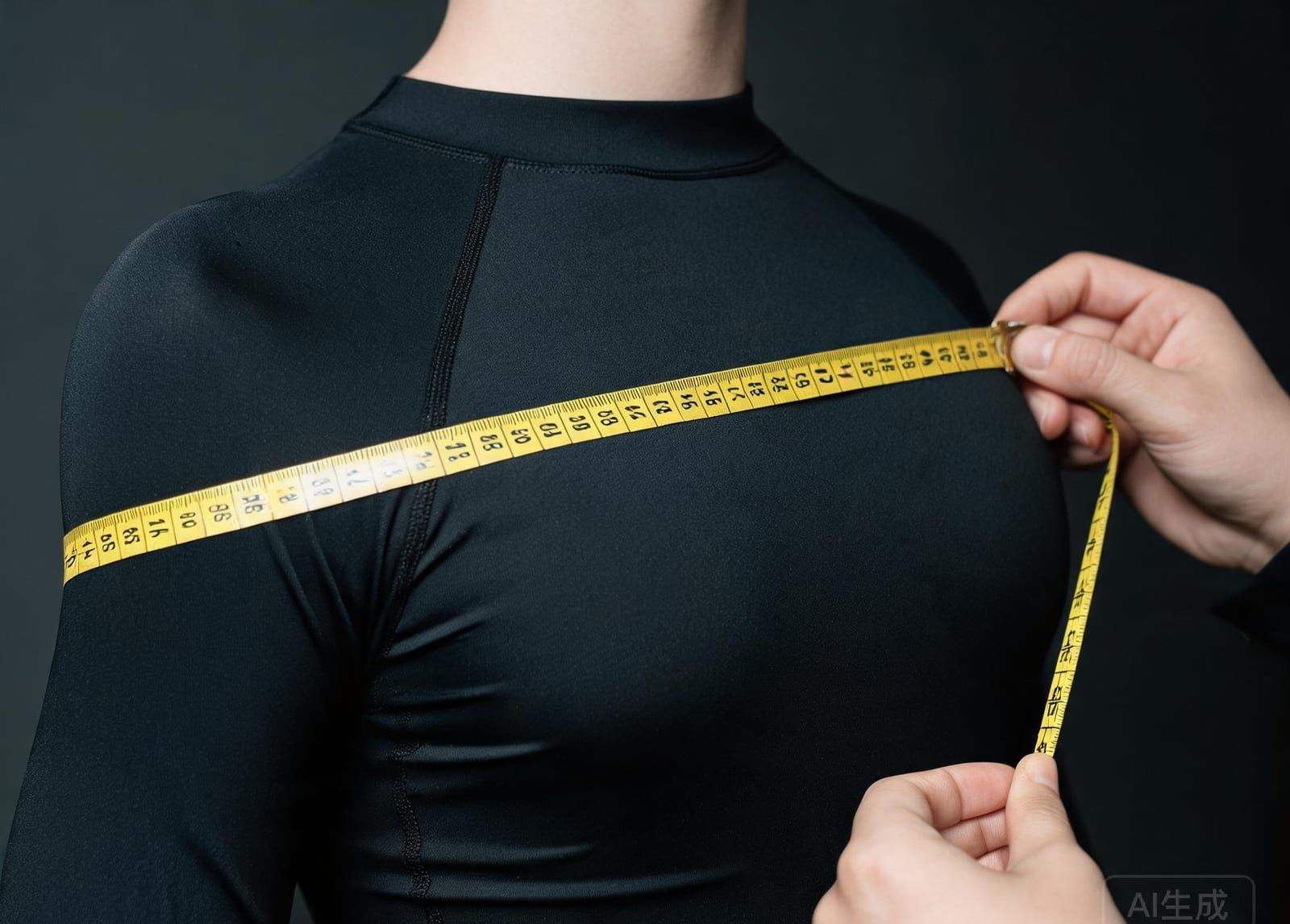
Measurements we need
- Height
- Chest (widest point, tape level)
- Waist (natural waist, not trouser waist)
- Hip (widest point)
- Inseam (crotch to floor, standing)
- Thigh circumference (upper thigh)
- Optional: torso length, arm length, calf circumference
How to take them
Measure over light clothing, keep the tape level and snug but not tight, and have someone else take the numbers where possible. Record in centimetres and note anything unusual, such as a preferred looser fit at the thigh.
Fit differences by discipline
Inline race suits are cut for a forward-leaning position with a free knee. Short track suits are cut tighter through the torso and hip because of the deep crossover position, and protective panels reduce stretch in the covered zones. Long track suits use a longer torso and higher rear collar to match the aerodynamic tuck.
Stock sizes vs individual measurements
Stock sizes work well for growing juniors and for clubs that need fast replacements. Individual measurements are the better choice for competition squads, for anyone between two stock sizes, and for cut-resistant suits where the protective panels reduce stretch.
Checking the fit
For team orders we recommend a sample suit in one size before the full run, particularly when a club is changing fabric or pattern for the first time.