Fabric lists are usually written in a language of numbers that mean very little without context. This guide explains what each property does on the track, so you can compare options sensibly.
Stretch direction
Four-way stretch means the knit extends both across and along the fabric. For a skating suit, lengthwise stretch matters as much as widthwise, because the leg has to extend through the stride. A knit that only stretches across the body will feel tight in the thigh and loose at the knee.
Weight and hand feel
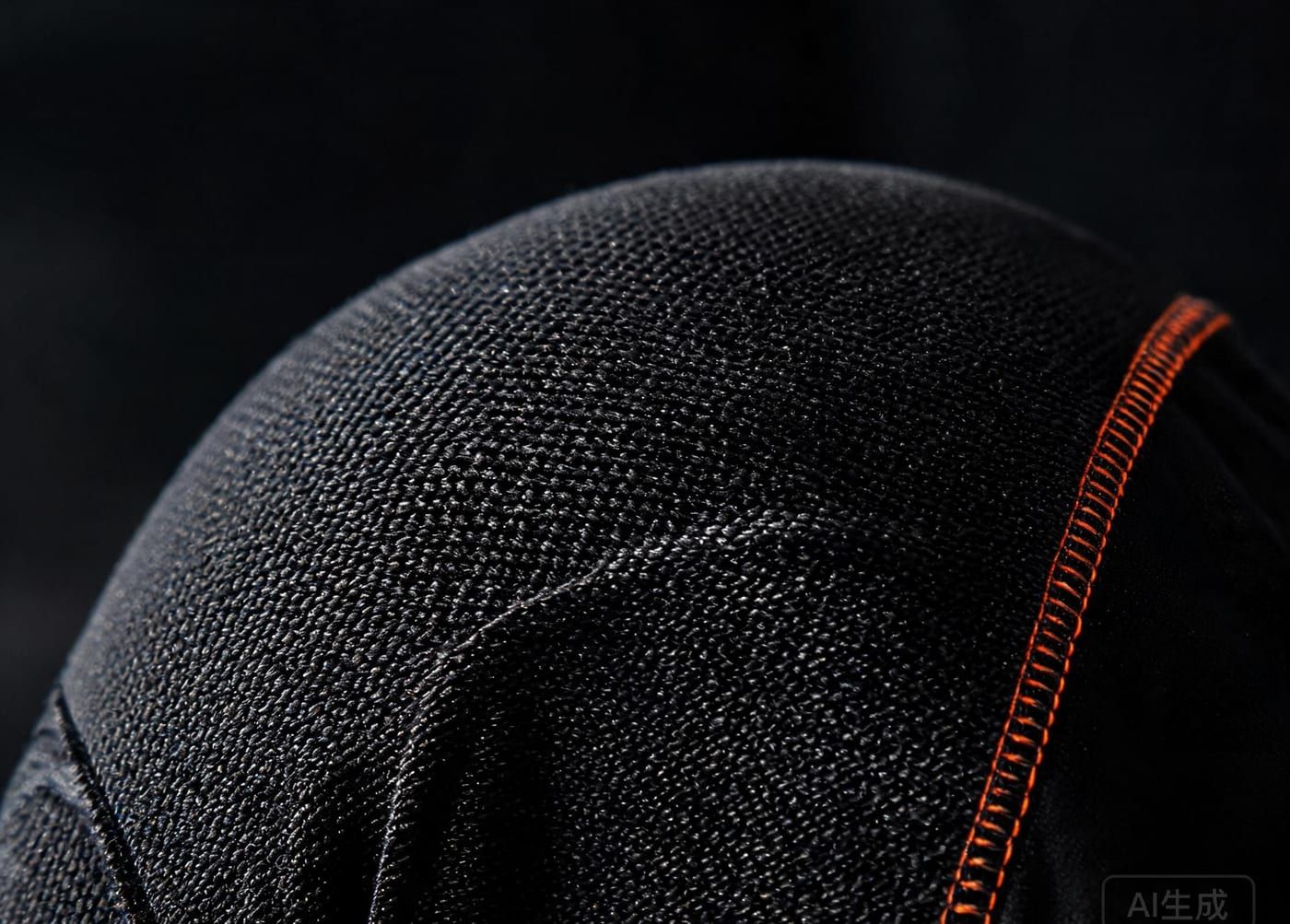
Lighter knits feel faster and less restrictive but can be more transparent when stretched. Heavier knits feel more supportive and hide the body more, but add bulk. Race suits usually sit at the lighter end; training suits can afford a slightly heavier knit for durability.
Opacity
This is the property buyers forget. A light-coloured suit in a thin knit can become transparent over the thigh when the skater crouches. If the design uses white or pale panels on the leg, ask for an opacity check or a denser knit for those panels.
Moisture handling
Sweat is unavoidable. What matters is whether the inner surface moves moisture away from the skin or holds it. A knit that transports moisture and dries quickly is far more comfortable across a long session, especially in cold outdoor conditions.
Printability
Sublimation requires a polyester-based fabric. The surface has to accept dye evenly, or large colour blocks will show banding. If a supplier offers a fabric "for printing", ask to see a printed sample rather than a raw swatch.
Recovery
Recovery is how well the knit returns to shape after stretching. Low-recovery knits bag at the knee and seat after a few sessions. This is the single most common reason a suit looks tired after one season.
Panel construction
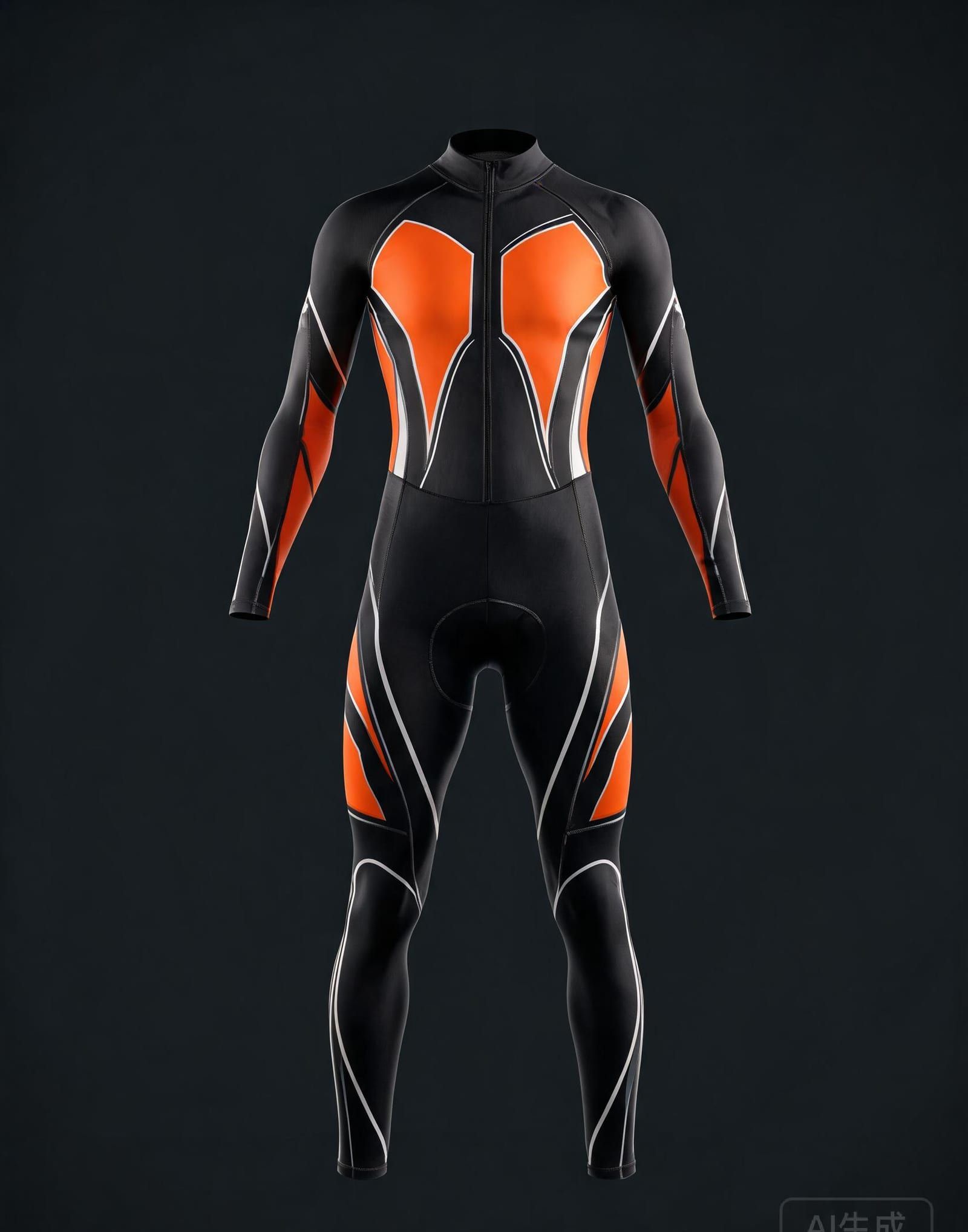
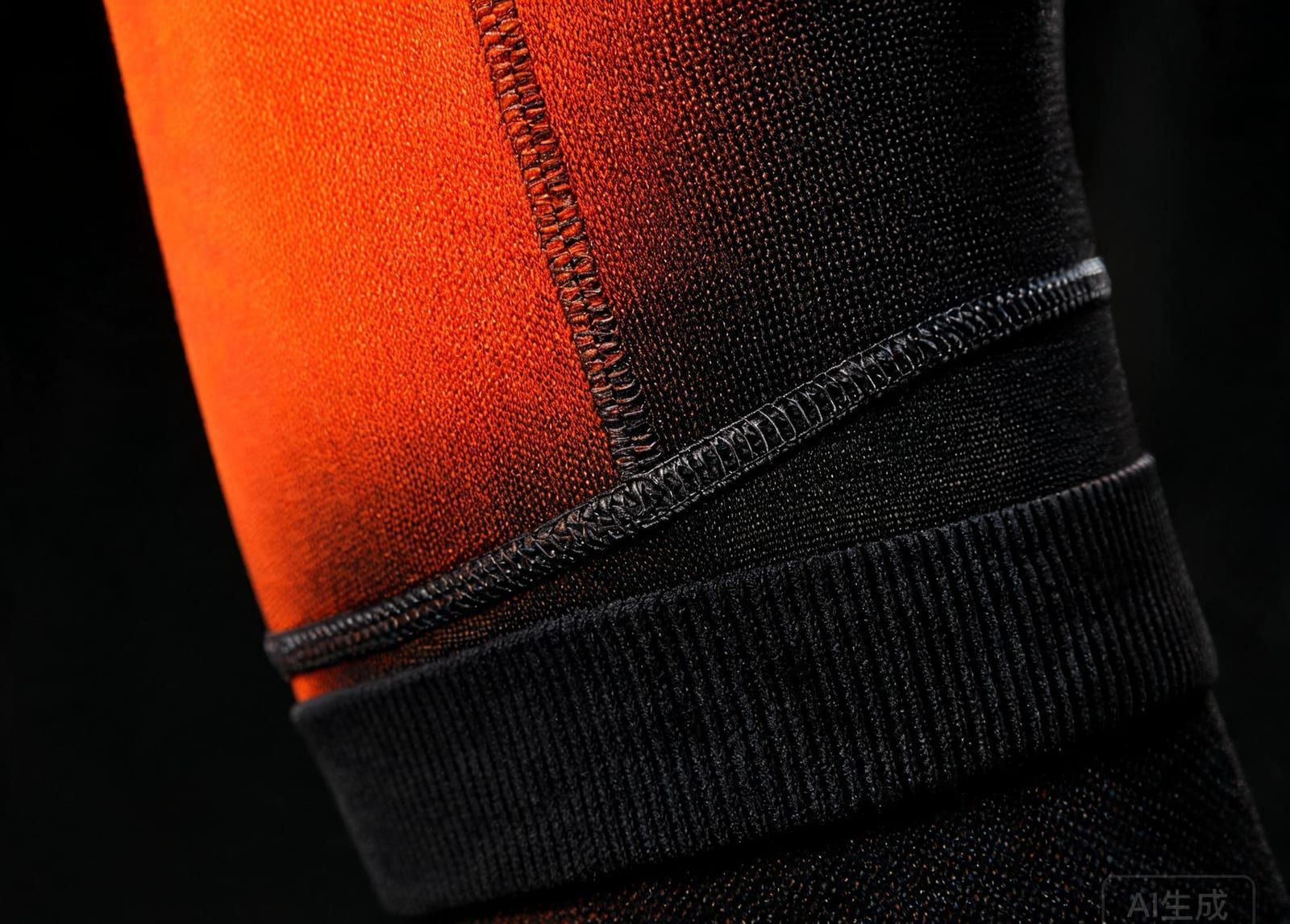
Many suits combine materials: a main knit, a compression panel at the thigh, mesh under the arm. Each transition is a seam, and each seam is a potential failure point. Fewer panels with well-placed reinforcement usually outperform a complicated panel map.
Matching fabric to use
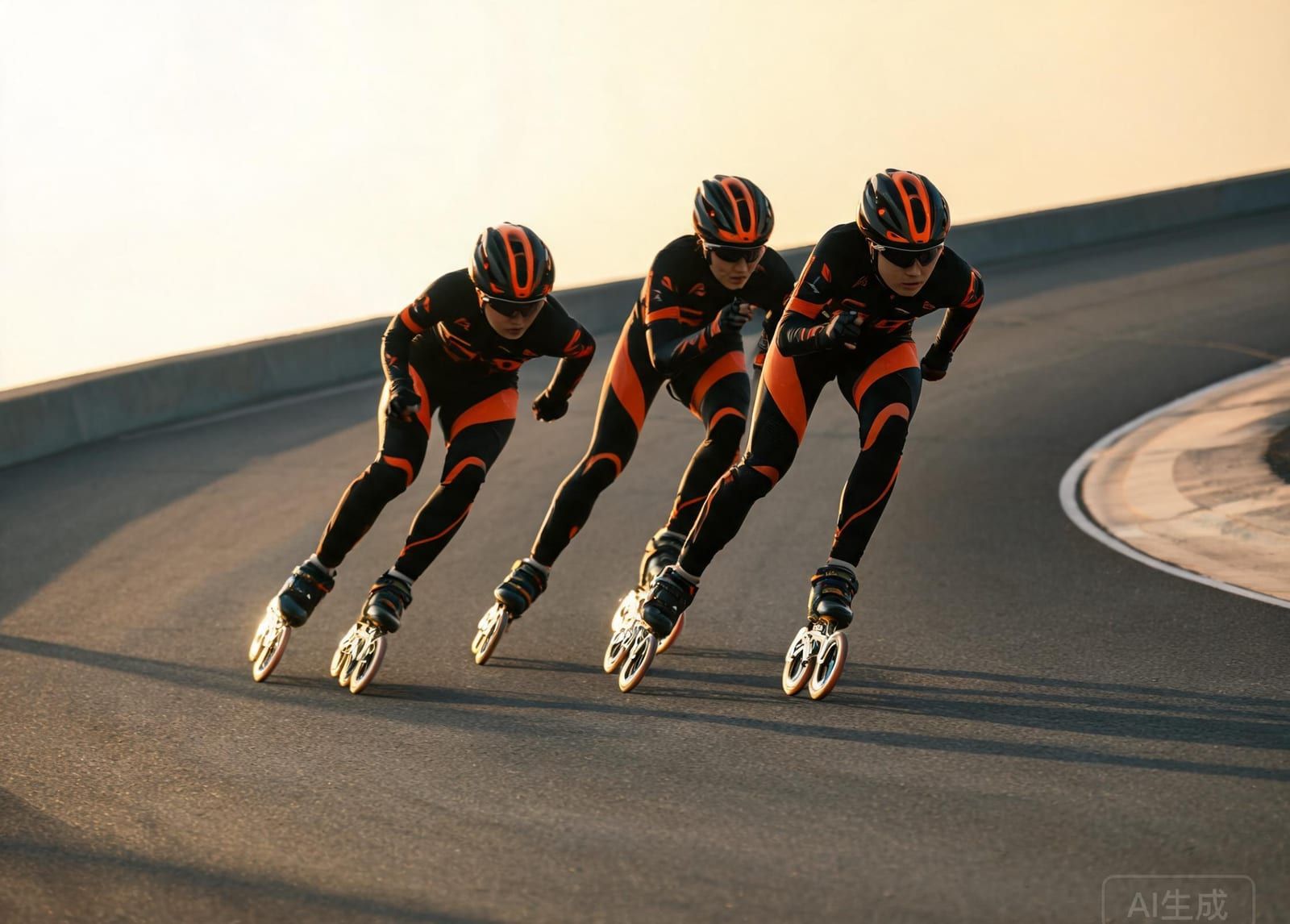
- Competition inline suit: light, high-recovery four-way stretch knit with strong print acceptance.
- Training inline suit: slightly heavier knit, reinforced knee and seat, good recovery.
- Cold-weather training: marginally heavier knit and long sleeves; consider a base layer rather than a thicker suit.
How to compare suppliers
Ask for a swatch set, a printed sample and the composition of each fabric offered. Compare hand feel, opacity and recovery rather than only the numbers on the spec sheet.
Products mentioned in this guide
- Inline Racing SuitInline Speed Skating
- Inline Training Skating SuitInline Speed Skating