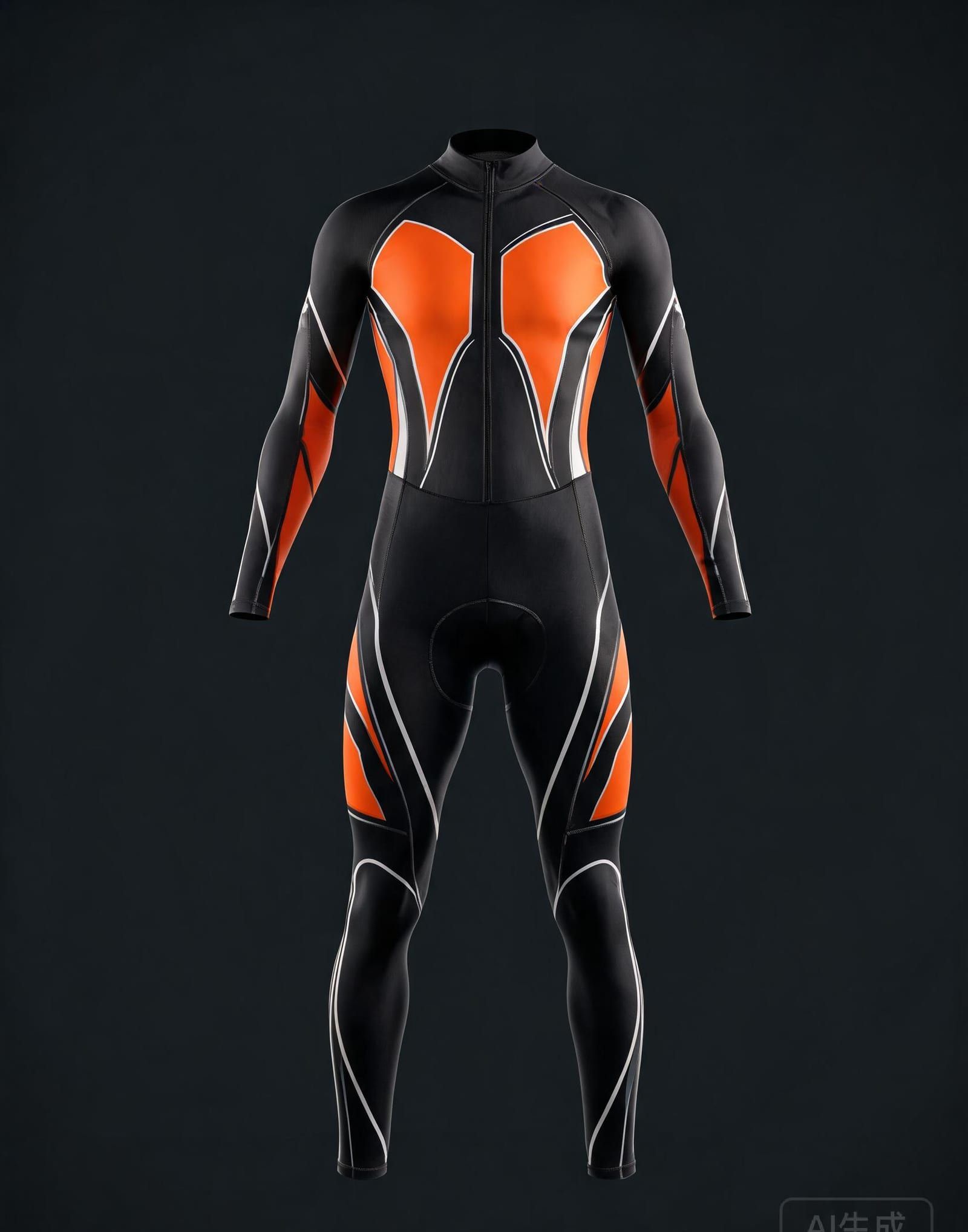
Most skaters choose a suit by colour and then discover the fit problem three sessions later. The suit is the only piece of equipment that touches your body through every stride, so it is worth choosing it the way you choose a boot: by how it behaves when you are actually skating.
1. Start with the position, not the size label
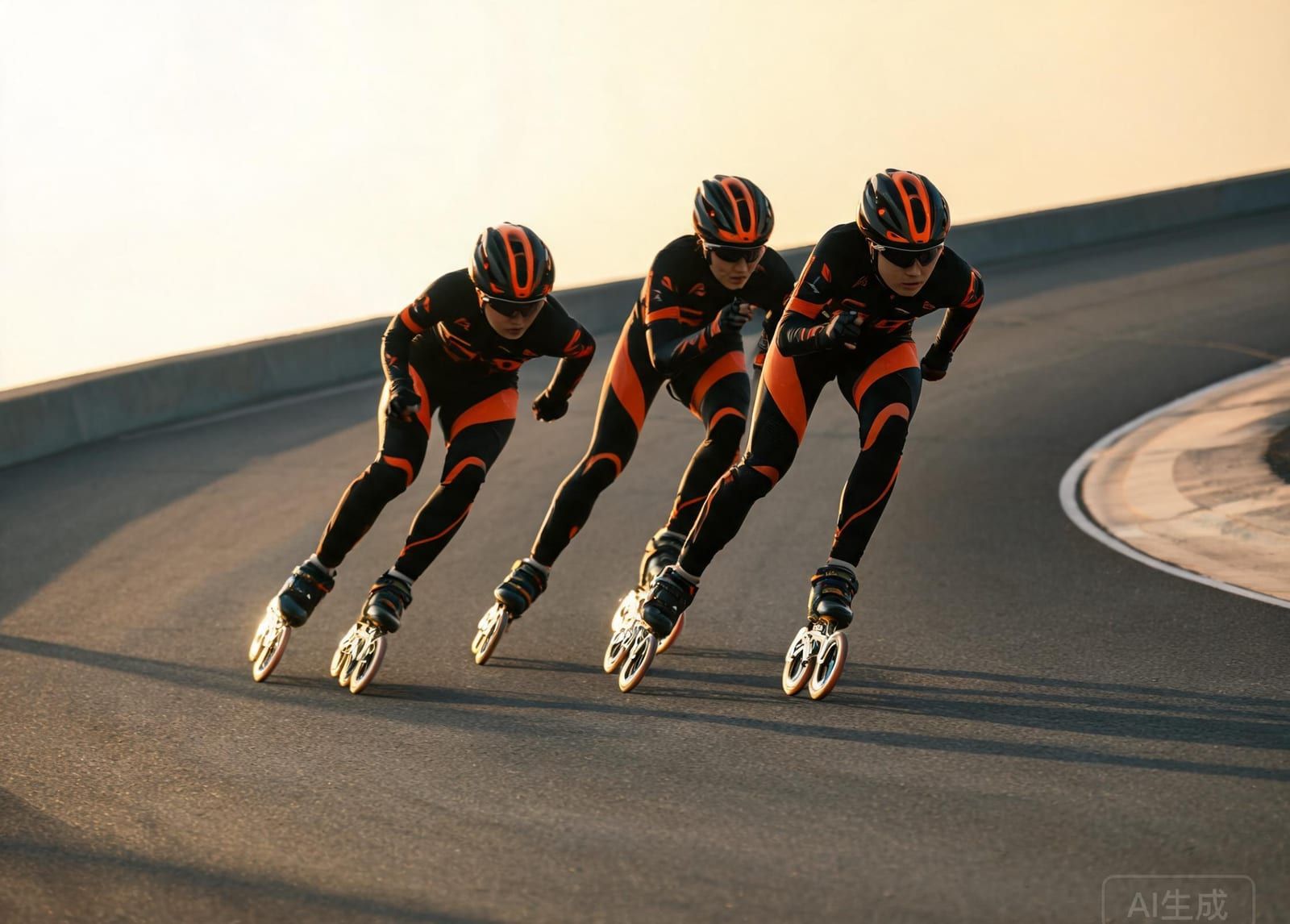
Inline speed skating is skated in a forward lean for most of a race. A suit that fits well standing up can still pull across the shoulders and the back of the knee when you are low on the straight. When you try a suit, get into the skating position before deciding: crouch, put your hands behind your back, and check that the sleeve does not restrict the arm and that the knee is free through the full stride.
A good pattern is drafted for that posture. The torso is slightly longer, the sleeve follows a bent arm, and the leg panels are shaped so the knee does not fight the fabric.
2. Decide between race fit and training fit
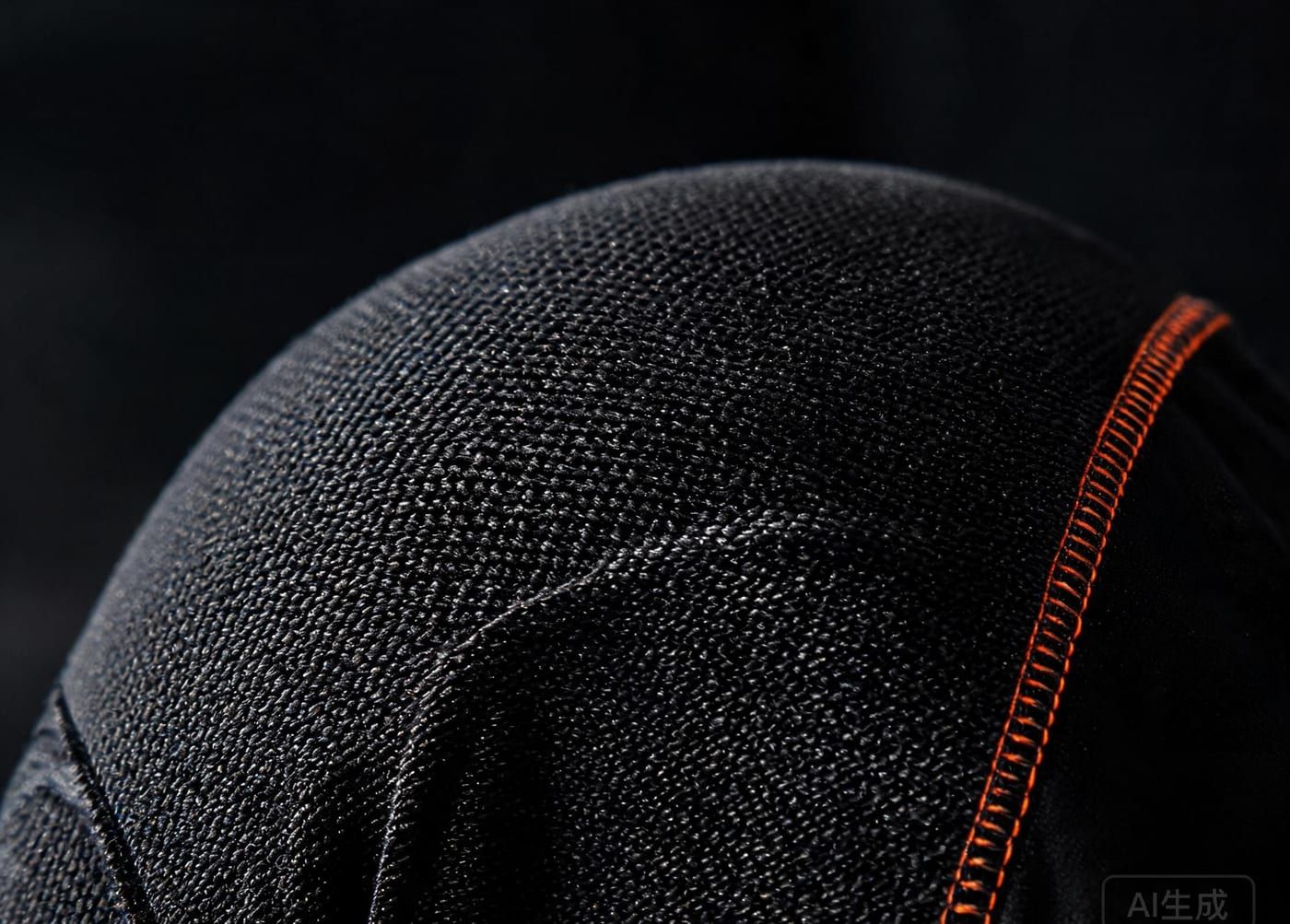
Competition suits are cut close and use a knit that recovers tightly. They feel restrictive when you first put them on, which is normal: the suit should feel like it is holding the muscle, not pinching at the waist or the thigh.
Training suits use a slightly softer knit and a less compressed pattern, plus reinforced knees and seat. If you train four or more times a week, a training suit will outlast a race suit by a wide margin because it is designed for session volume rather than a single effort.
3. Look at the seams
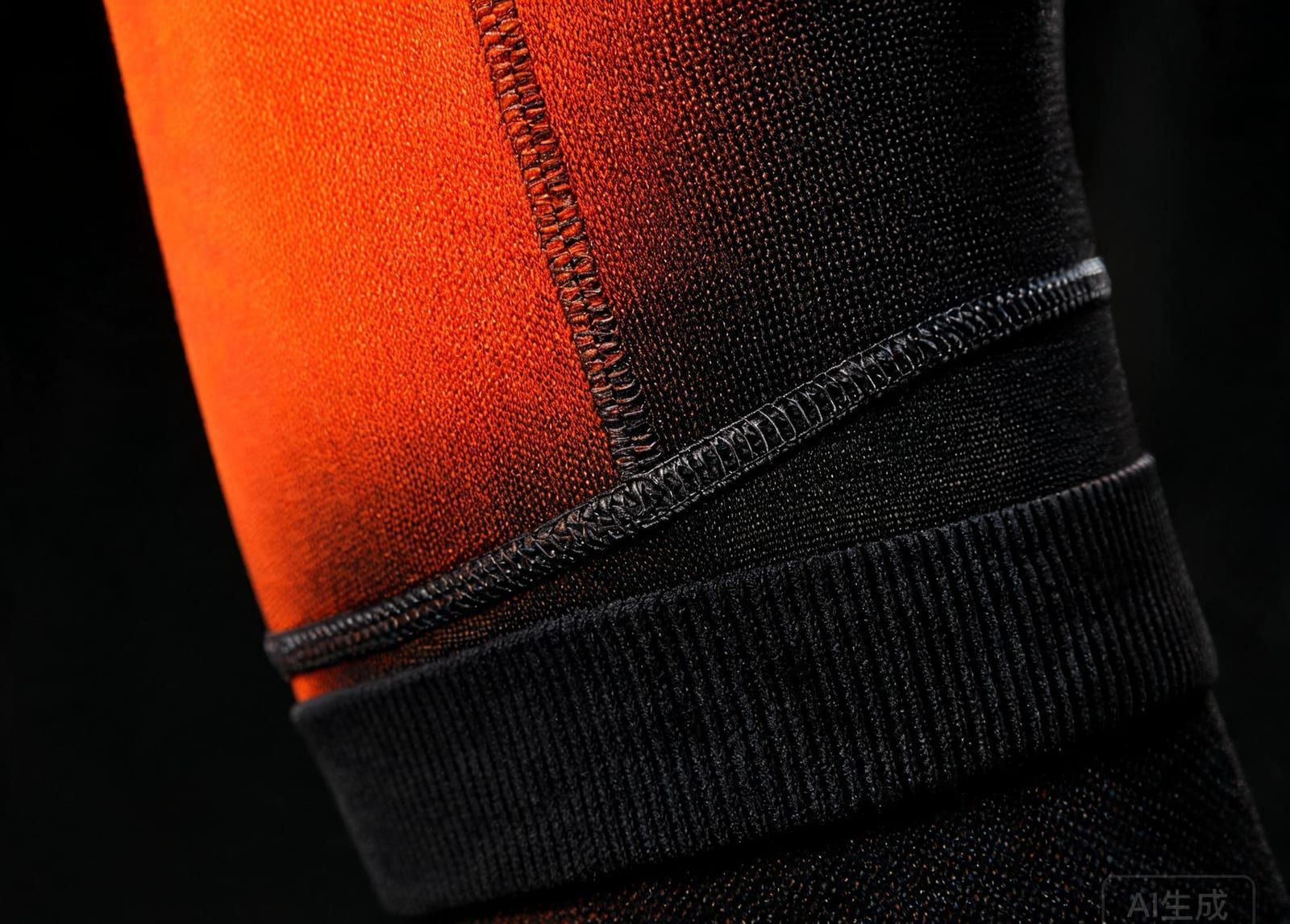
Seams matter more than most buyers expect. Flatlock seams lie flat against the skin and reduce the bulk that causes chafing under a deep tuck. Stretch seams should be sewn with a thread and tension that match the knit; a seam that pops at the hip is almost always a construction problem rather than a fabric problem.
Turn the suit inside out when you receive it. If the seams are bulky, uneven or show loose threads, the garment will not survive a season.
4. Understand what the print is doing
Dye sublimation prints colour into the fibre before cutting. The suit gains no extra weight, the graphics cross seams without breaking, and there is no film to peel. Applied vinyl or transfers add surface weight and can crack at flex points, which is why almost no serious racing suit uses them for large areas.
5. Check the leg gripper and collar
An inline suit spends a lot of time being pushed and pulled by the leg. A wide elastic gripper keeps the hem in place without cutting into the thigh. The collar is a personal choice: some skaters want a higher neckline for warmth on outdoor tracks, others prefer a lower collar in a deep tuck.
6. Decide whether you need protection
Inline falls are usually slides rather than blade contact, so cut-resistant panels are less common than in short track. If you skate in a crowded pack at high speed, ask what reinforcement options exist at the hip and thigh, but do not accept a protection claim that comes without documentation.
7. Buy for the body you have
Stock sizing is fine for growing juniors and for fast replacements. If you are between sizes, or you race, individual measurements are worth the extra step. A suit that fits at the chest but pulls at the hip will cost you more in discomfort than a custom suit costs in money.
Quick checklist
- Try the suit in the skating position, not standing.
- Choose race or training construction based on how often you skate.
- Check for flatlock seams and even stitching.
- Confirm the print method is sublimation, not applied film.
- Check the leg gripper holds without pinching.
- Order individual measurements if you are between sizes or racing seriously.
If you are ordering for a club, read our guide to customising inline team uniforms before you collect sizes.
Products mentioned in this guide
- Inline Racing SuitInline Speed Skating
- Inline Competition SuitInline Speed Skating
- Inline Training Skating SuitInline Speed Skating