A custom suit is only as good as the numbers it is cut from. Measuring takes ten minutes per athlete and prevents the most common reason a custom order disappoints.
Before you start
Use a flexible tape measure, measure over light clothing, and have a second person take the numbers. Stand relaxed but straight, feet together, and record everything in centimetres.
The core measurements
- Height: standing, without shoes.
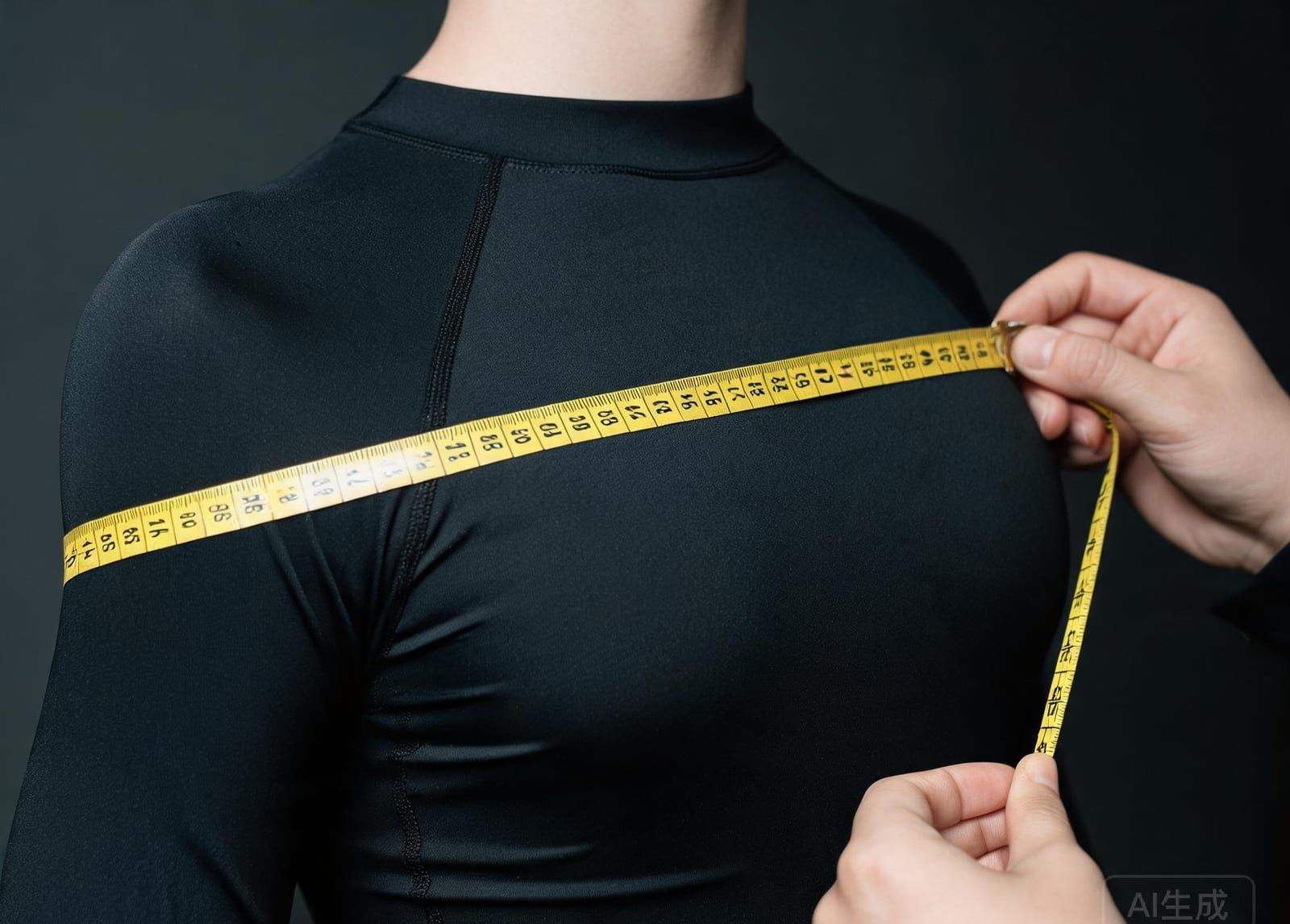
- Chest: widest point, tape level under the arms.
- Waist: natural waist, the narrowest point, not where trousers sit.
- Hip: widest point around the seat.
- Inseam: from the crotch to the floor, standing.
- Thigh: circumference at the upper thigh, just below the crotch.
Useful extras
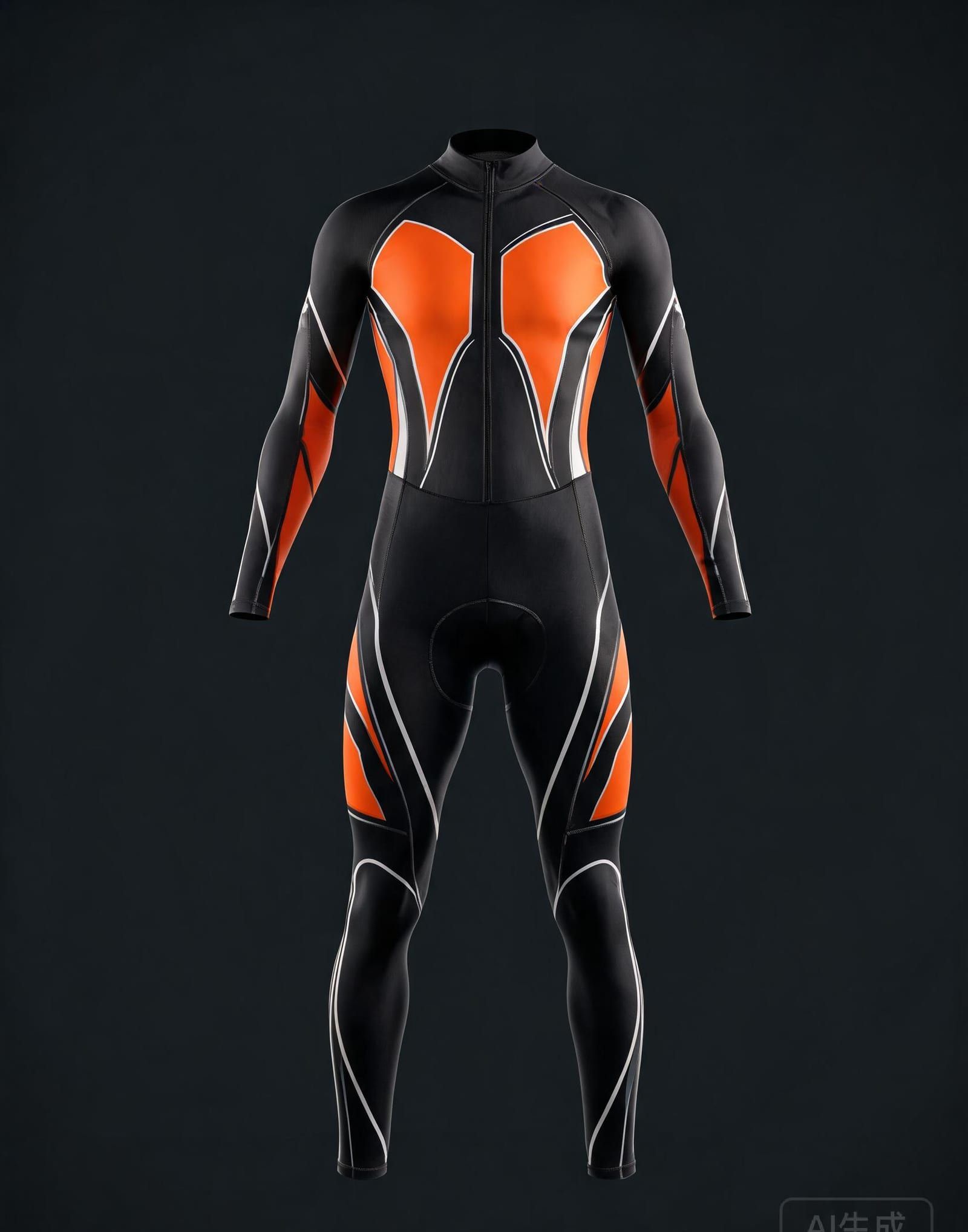
- Torso length: from the shoulder seam to the crotch, for one-piece suits.
- Calf: for suits with a close lower-leg cut.
- Arm length: shoulder to wrist, for long-sleeve options.
Fit adjustments for inline racing
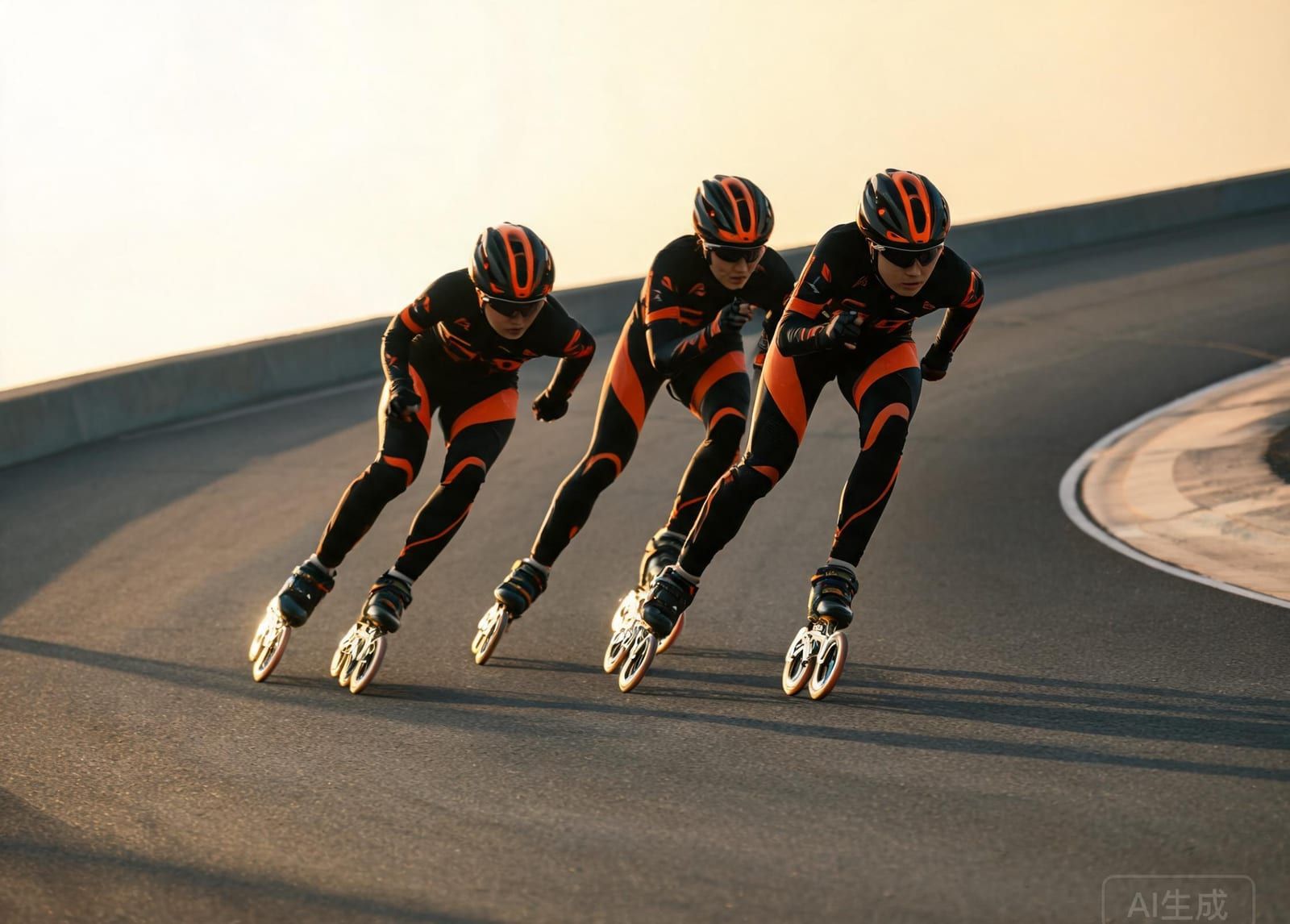
Inline suits are cut for a forward lean. If you are between sizes, choose based on the thigh and shoulder rather than the waist, because those are the areas that restrict movement. If you have a long torso, say so: a one-piece suit can be lengthened in the body.
Common mistakes
- Measuring the waist where jeans sit rather than at the natural waist.
- Holding the tape loose.
- Measuring over bulky clothing.
- Rounding every number to the nearest five centimetres.
- Using old numbers after a growth spurt or a change in training load.
For teams
Use one sheet per athlete, with a name and a date. Have the coordinator check that no field is blank before sending the list. If an athlete is unavailable, do not estimate: either measure them later or add them to a follow-up order.
After the suit arrives
Try it on and get into the skating position. Check the shoulder, the knee and the hem. If something is clearly wrong, report it before the suit is used, with photographs and the original measurements.
Products mentioned in this guide
- Inline Racing SuitInline Speed Skating