Both disciplines are skated on ice with blades and a skin suit, and that is roughly where the similarity ends. The garments are built for different problems.
Pattern and posture
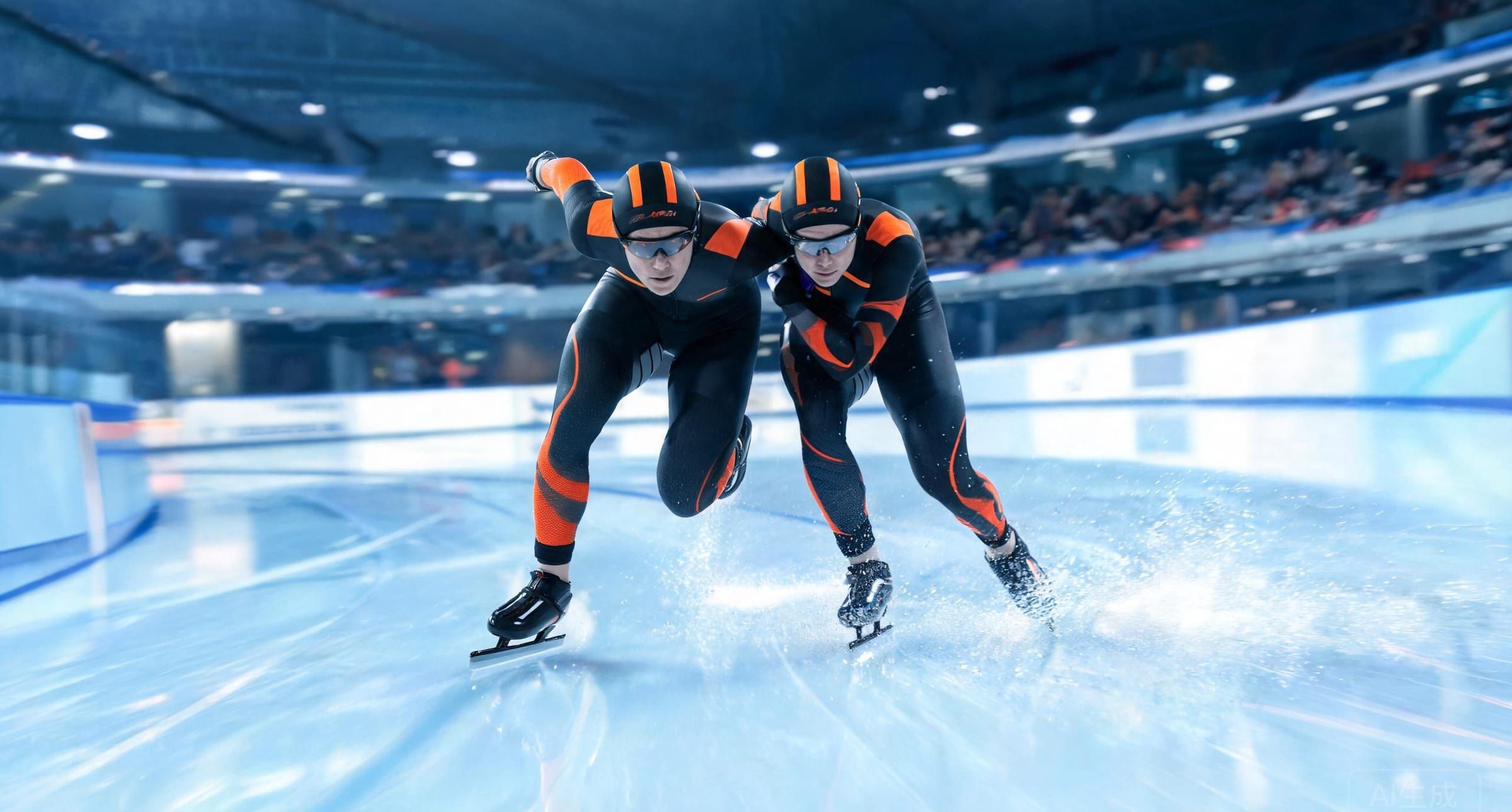
Short track is skated in a deep, asymmetric crossover position with the torso folded forward and one hand often on the ice. The pattern allows that fold and keeps the hip free.
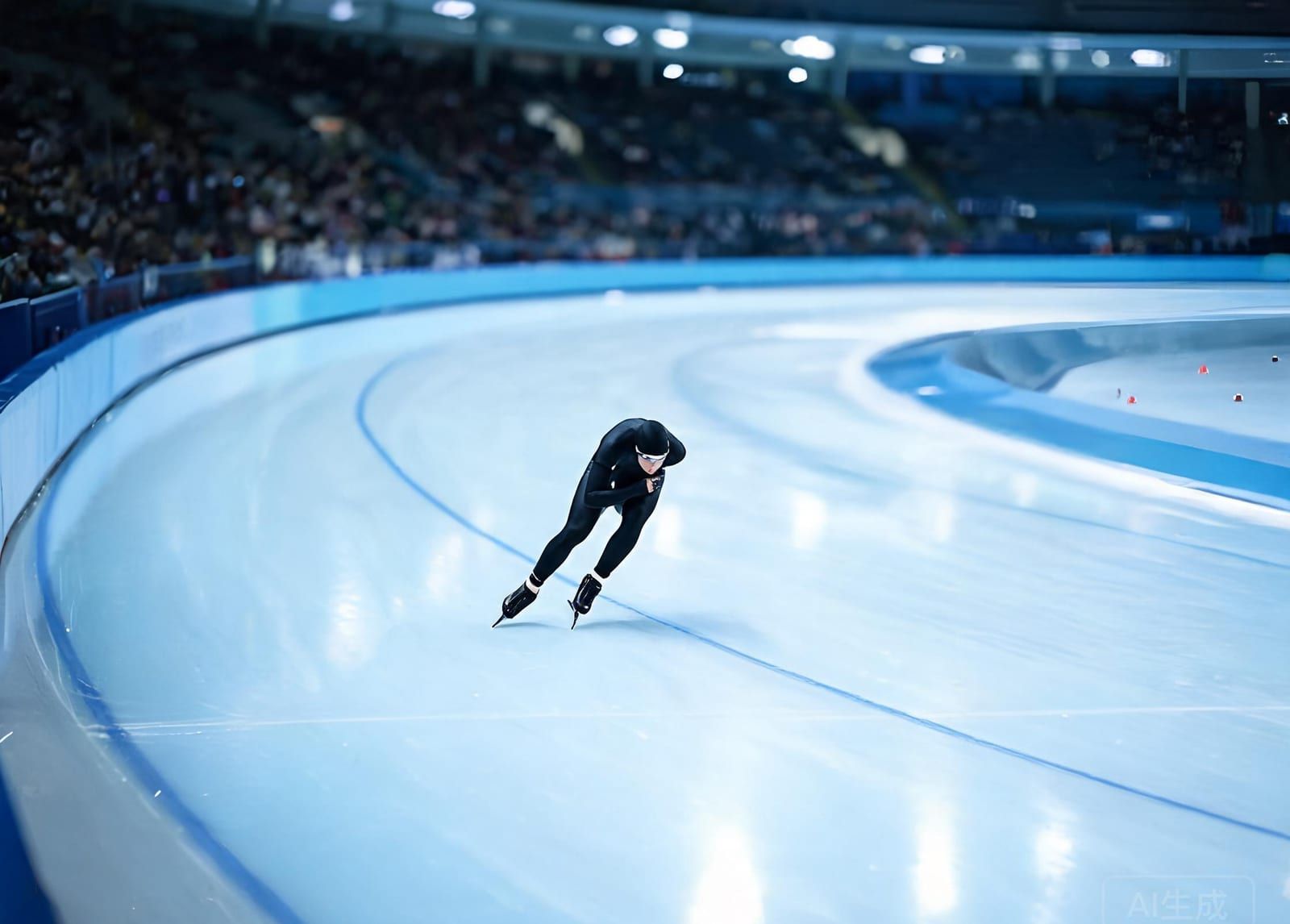
Long track is skated in a static tuck: flat back, low hips, arms behind or tucked. The pattern lengthens the torso and flattens the back panel.
Protection
Short track is a pack discipline with blade exposure, so cut-resistant panels at the lower leg, thigh and hip are common, especially for juniors.
Long track is a time trial against the clock with one or two skaters on the ice, so protective panels are rarely used. The priority is surface smoothness.
Collar and neckline
Long track suits typically use a higher rear collar to meet the helmet in the tuck. Short track suits also use a relatively high neckline, but the shape follows a different posture.
Fabric and surface
Both use four-way stretch knits with sublimation printing. Long track chooses smoother, lower-texture surfaces and routes seams away from the back and upper arms. Short track accepts panels and reinforcement because protection matters more than a perfectly smooth surface.
Design and graphics
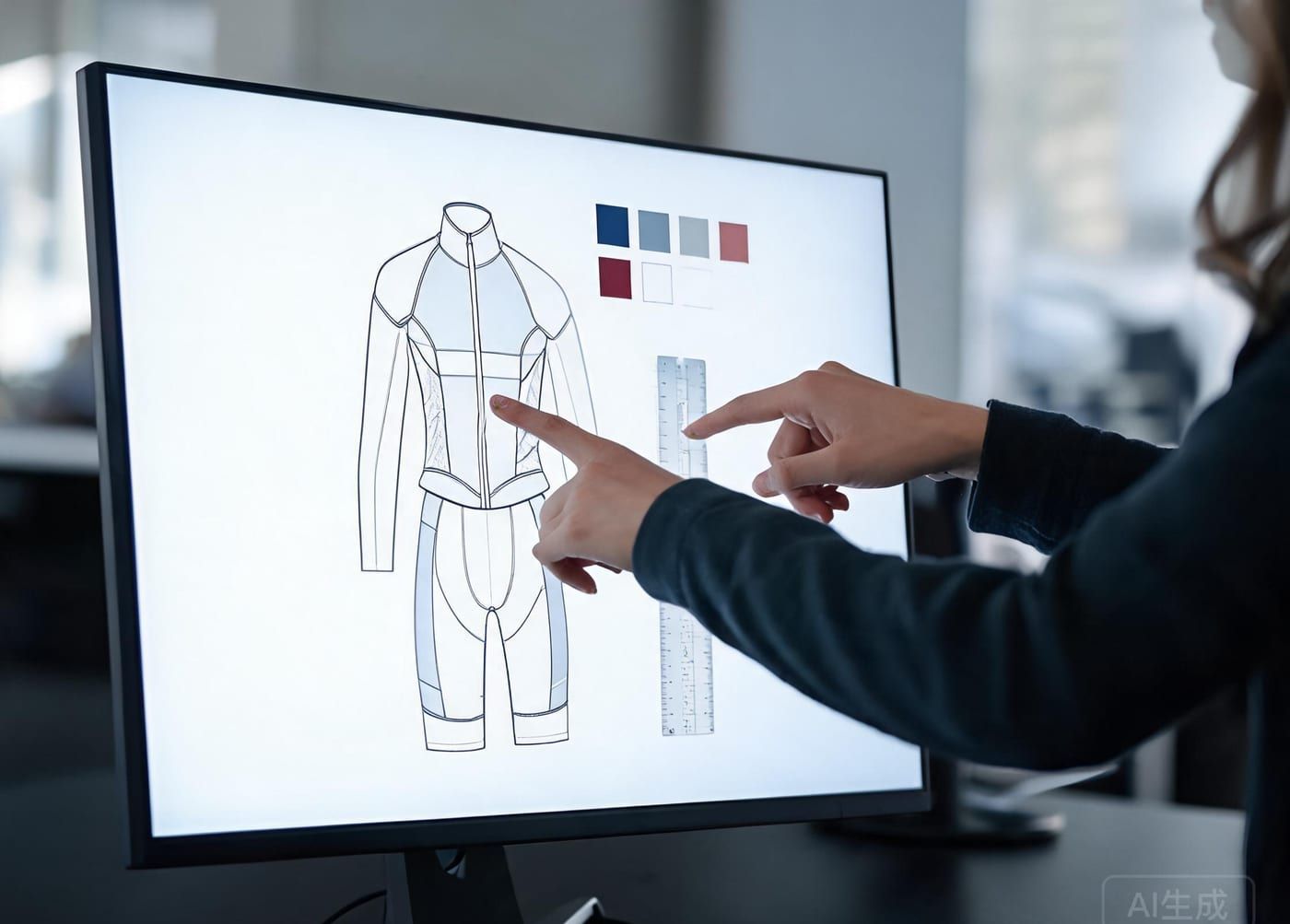
Short track graphics need to read in a pack at an angle, with a clear number. Long track graphics are seen from the side and behind, and are often designed for television with larger colour fields.
Training needs
Both disciplines need training suits. Short track training adds knee and seat reinforcement plus room for a base layer in a cold rink. Long track training emphasises durability over high lap volume.
Can one suit do both?
You can train in either, but a competition suit should match the discipline. Using a short track suit for long track racing, or the reverse, means accepting a fit and surface compromise in the race that matters most.
Summary
- Short track: pack racing, protective panels, deep asymmetric position.
- Long track: time trial, smooth surface, static aerodynamic tuck.
- Both: four-way stretch, sublimation printing, individual sizing for squads.
Products mentioned in this guide
- Short Track Racing SuitShort Track Speed Skating
- Long Track Racing SuitLong Track Speed Skating