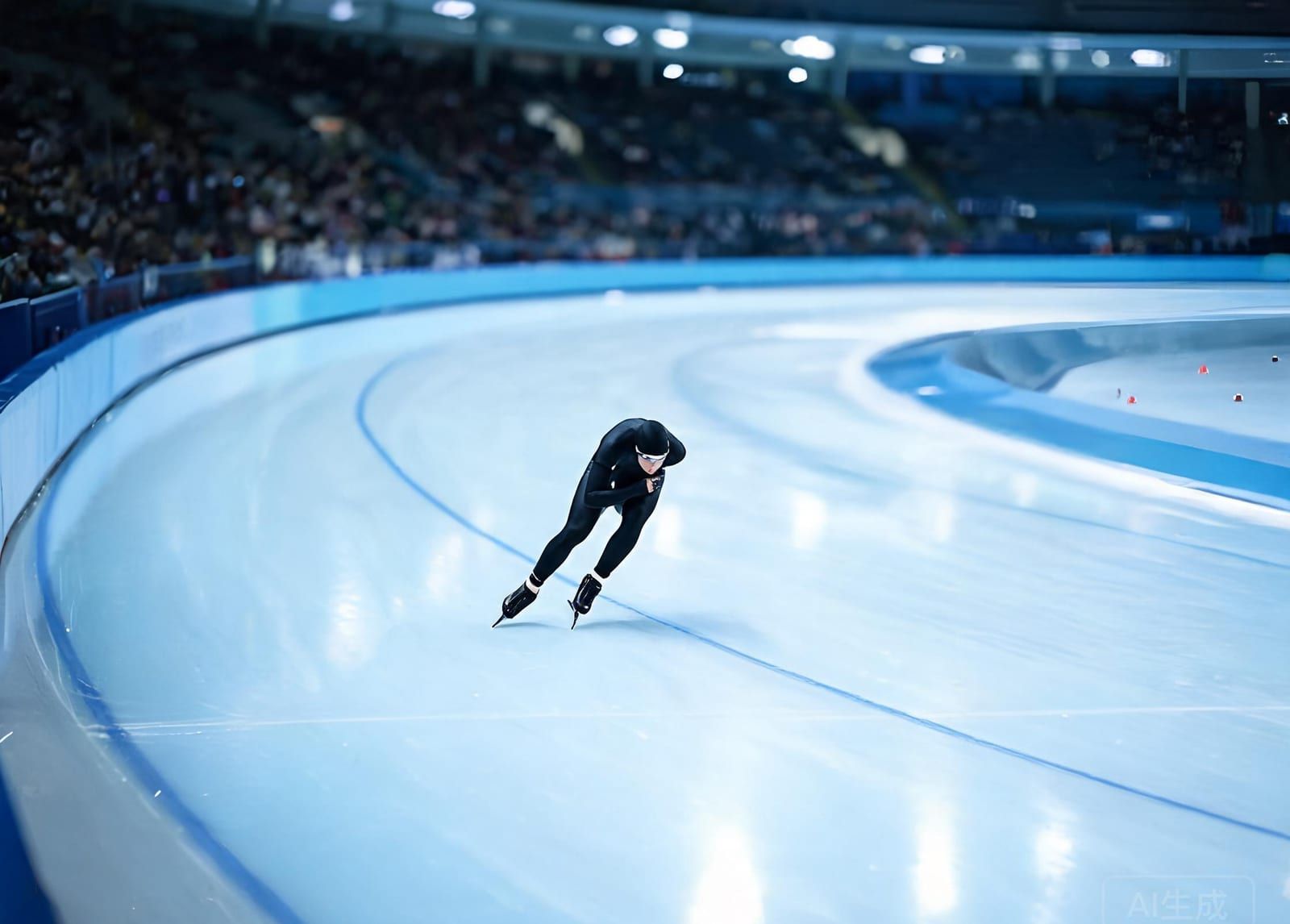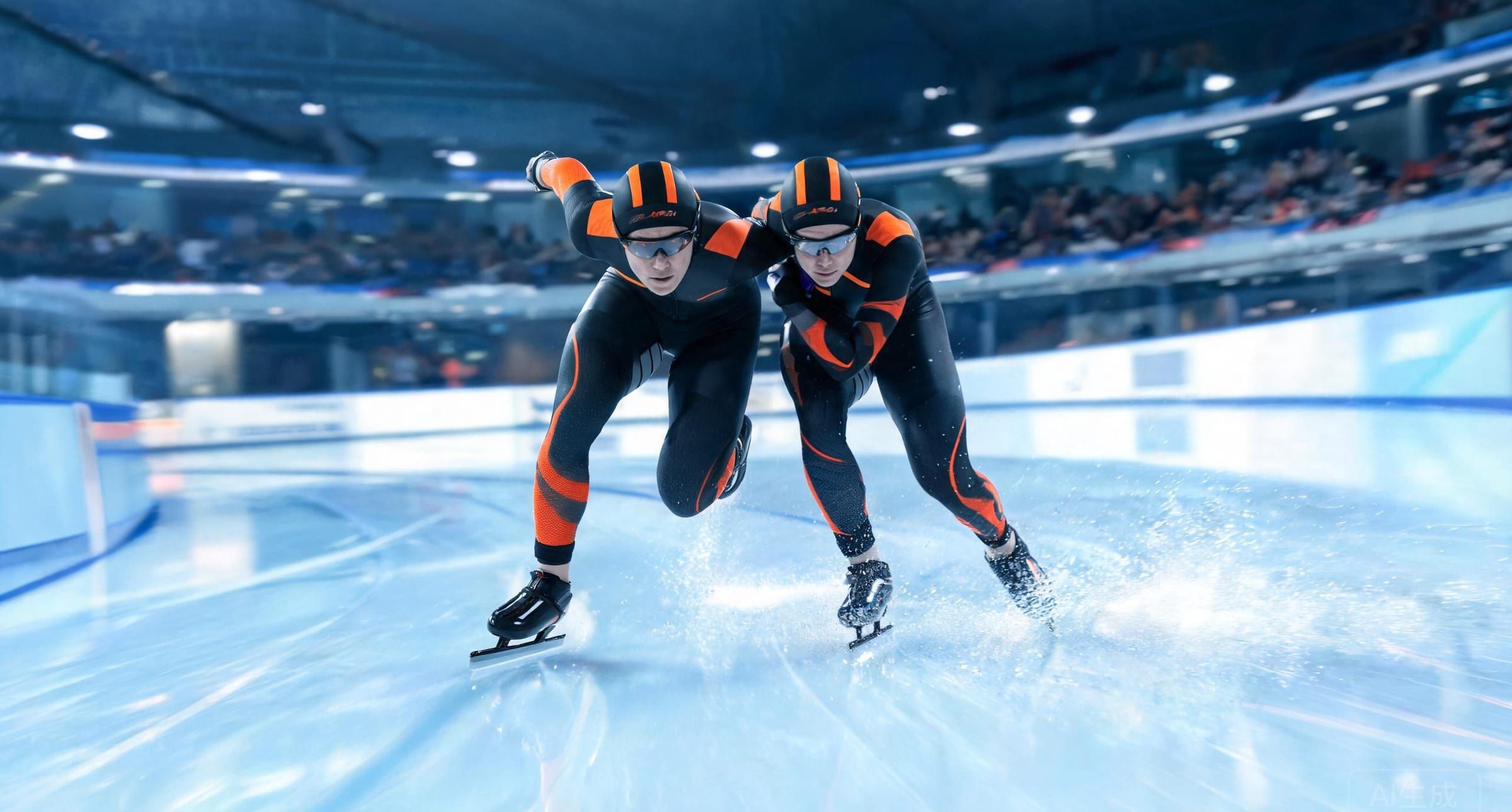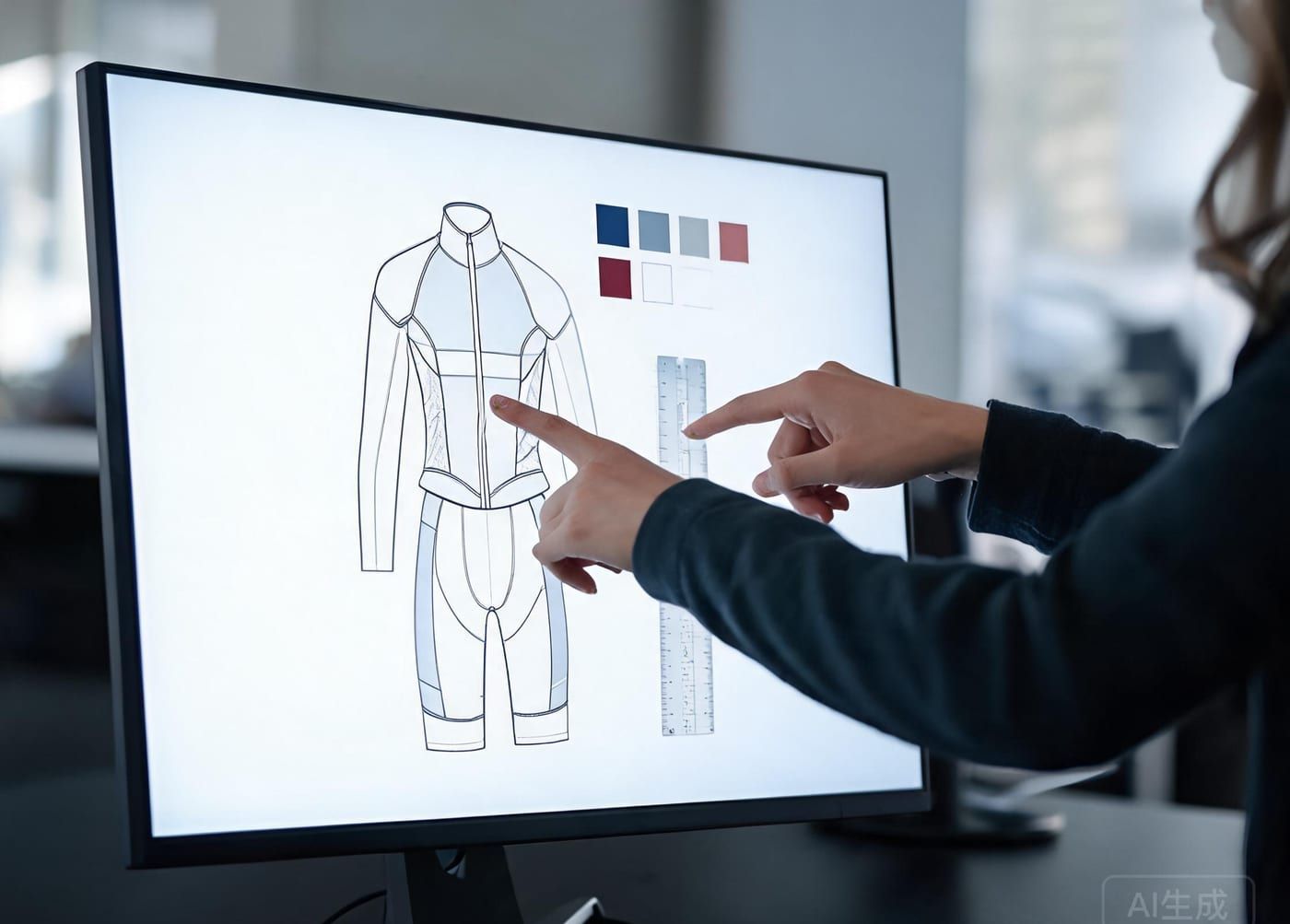
Designing a speed skating suit is two jobs running in parallel: shaping a garment that works in a specific posture, and building graphics that stay legible at speed.
Step 1: Collect the requirements
Discipline, competition rules, protection requirements, number of athletes, size range, colours, logos and deadline. Each of these changes the outcome. A junior club suit with mandatory protection is a different project from a senior time trial suit.
Step 2: Choose or draft the pattern
We start from a discipline-specific block: inline, short track or long track. The block is then adjusted for the group: torso length, sleeve angle, leg opening, collar height. For teams, the pattern is graded or individually drafted from measurements.
Step 3: Map the panels
Panel maps decide where materials change. A compression panel at the thigh, mesh under the arm, a protective zone at the lower leg: each one is a seam, and each seam has to sit away from a flex point. Fewer, better-placed panels usually beat a complex map.
Step 4: Build the graphics
Graphics are developed on a flat pattern piece, not on a photograph of a person. That is the only way to control how a logo lands after the garment is sewn. We produce front, back and side layouts for approval.
Step 5: Design for legibility
- Two or three dominant colours rather than many equal ones.
- Colour blocks that follow the body line.
- Logos sized for the viewing distance of the sport.
- Numbers positioned to competition rules.
- No fine detail that disappears at ten metres.
Step 6: Print preparation
The approved layout is prepared for sublimation: colour separation, seam allowance, and panel nesting. Colour is printed before cutting, so any change after this stage means reprinting panels.
Step 7: Sample and approval
A sample is produced in one size and checked in the skating position. Fit, print sharpness, logo positions and seam comfort are reviewed. Changes are recorded before bulk production.
Step 8: Production and records
The full order is printed, cut and sewn as one run, inspected, and packed. The approved design version and size list are archived so later orders match.
Products mentioned in this guide
- Custom Speed Skating SuitShort Track / Long Track Speed Skating