Cut-resistant suits are one of the few places in sportswear where a vague claim can have real consequences. This guide explains how the garments are built and what to ask before you buy.
Why short track needs protection
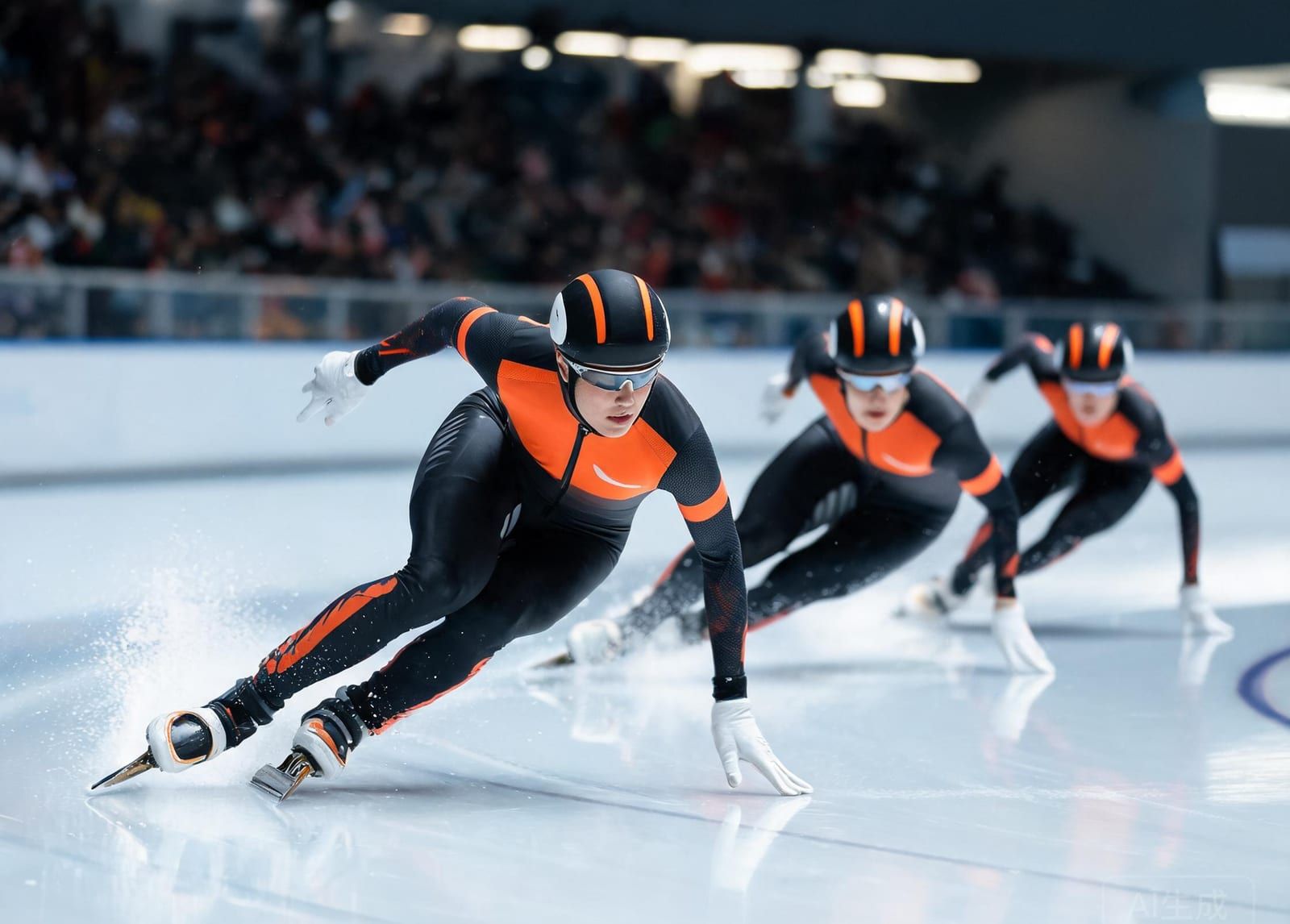
Short track is skated in a tight pack on a small oval, at speeds where a fall puts blades close to other skaters' legs. Protective material at the lower leg, thigh and hip reduces the risk of a blade cutting through the suit.
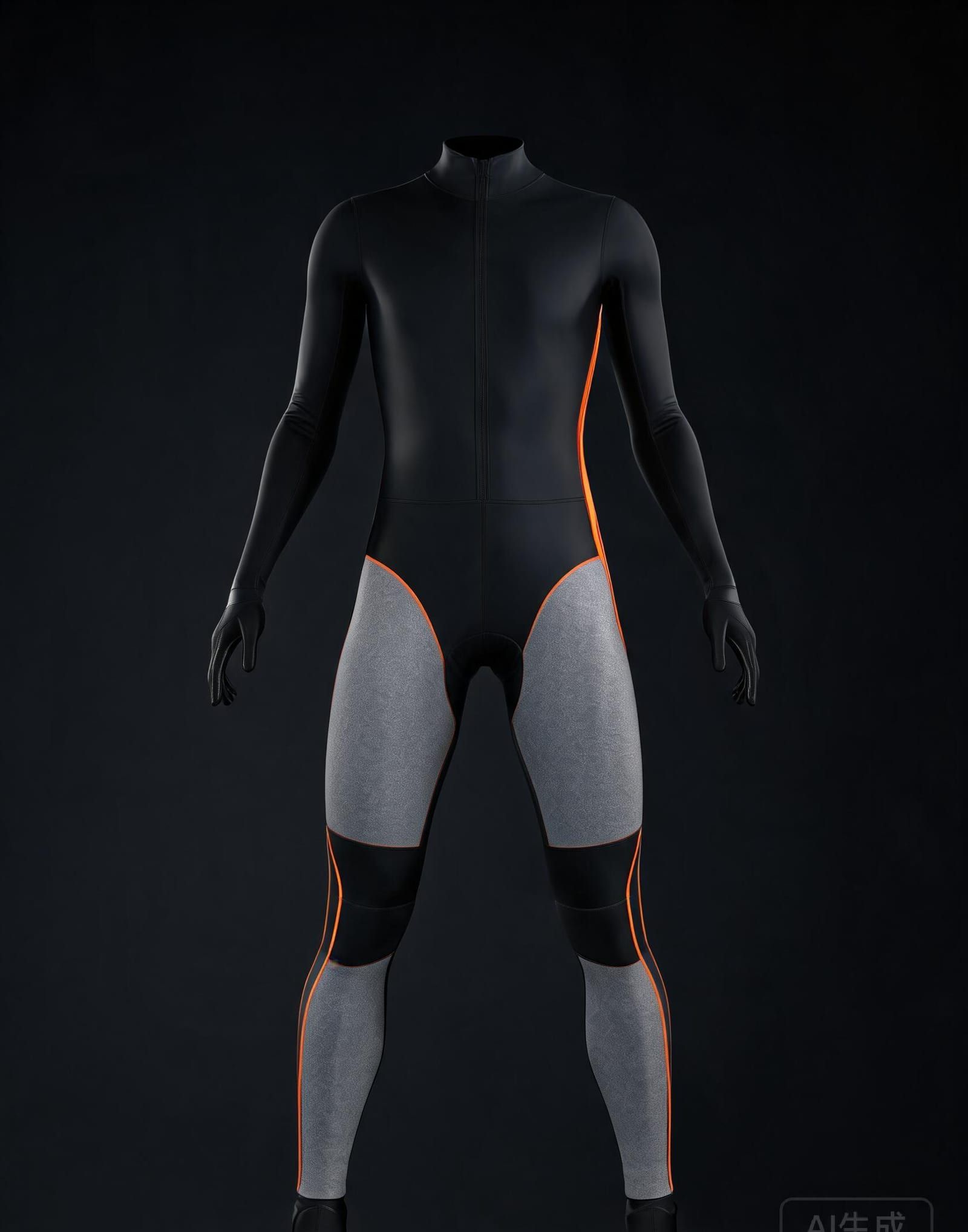
Where panels go
- Lower leg: the calf and shin, the most exposed area in a fall.
- Thigh: outer and front thigh, where a trailing blade can reach.
- Hip: the area closest to the ice in a corner fall.
Coverage can be extended, but each additional panel adds stiffness. Clubs usually agree a standard coverage level for all members so that junior and senior suits match.
How protection affects fit
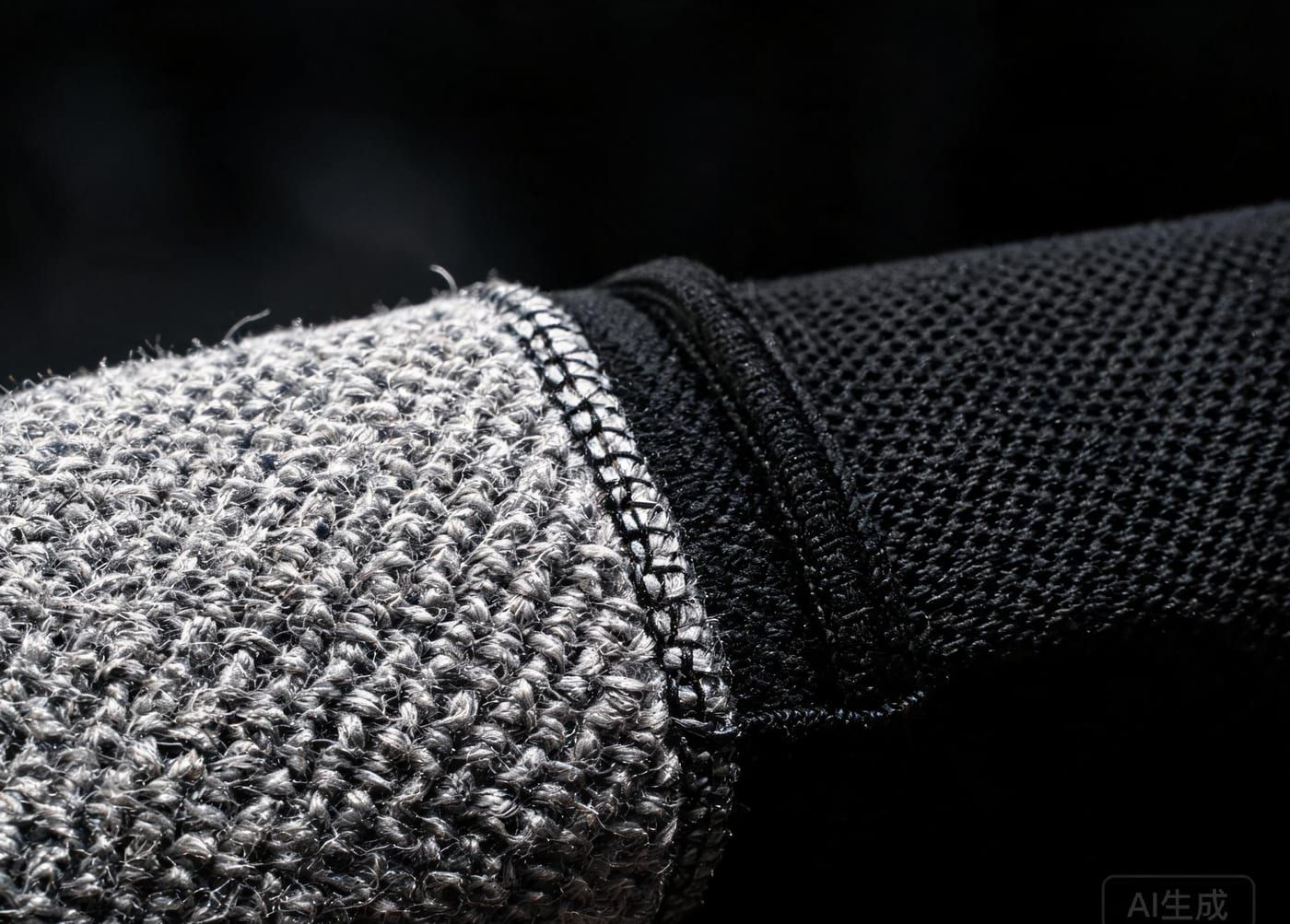
Cut-resistant material stretches far less than a race knit. If the panel is placed across a flex line, the skater feels it immediately in the crossover. Well-made suits shape the panels so they follow the leg without crossing the main stretch direction.
This is why individual measurements matter more on a protective suit. A suit that is slightly too small in a normal knit becomes unusable with a rigid panel in it.
Standards and documentation
Different countries and federations apply different requirements. Some refer to specific cut-resistance standards, others set their own club rules.
When you evaluate a supplier, ask:
- Which standard, if any, does the offered material meet?
- Can you supply the test report for the specific material used in my order?
- Does the report cover the material as used in the garment, or only a flat sample?
If the answer is vague, treat the protection claim as unverified. A responsible supplier will say what is documented and what is not.
Care and inspection
Protective panels should be inspected regularly for abrasion, cuts and delamination. A damaged panel should be assessed before the suit is used in competition. Follow the care instructions for the specific material; high heat and harsh detergents shorten the life of protective layers.
Protection is one part of the system
A suit does not replace cut-resistant base layers, gloves, shin guards or helmets, and it does not remove the risk of injury. Treat it as one layer in a set of protective equipment chosen with your club.
Products mentioned in this guide
- Cut-Resistant Short Track SuitShort Track Speed Skating
- Short Track Racing SuitShort Track Speed Skating